Medical care
Information about tests, procedures, heart medicines and surgery.
Find out why a test or treatment may be recommended and what the experience can involve. Your team’s instructions explain the arrangements for your own care.


Tests and procedures
These pages explain why you may have a test, what happens and how to prepare.
- Cardiac MRI
MRI uses a magnetic field and radio waves to take pictures of the heart without X-rays.
- Exercise testing
An exercise test helps your team understand how your heart works during activity.
- Cardiac CT scan
A cardiac CT scan uses X-rays to produce detailed pictures of the heart and blood vessels.
- Cardiac catheterisation
A cardiac catheter can measure pressures inside the heart or treat a problem through a thin tube.
- Trans-oesophageal echocardiogram
A TOE uses an ultrasound probe in your food pipe to take clear pictures of parts of your heart.
- Holter monitoring
A Holter monitor records the electrical activity of your heart during everyday life.
- Electrophysiology study
An electrophysiology study examines the electrical signals that control your heartbeat.
- Exercise stress echocardiogram
A stress echo compares ultrasound pictures of your heart at rest and just after exercise.
Medicines
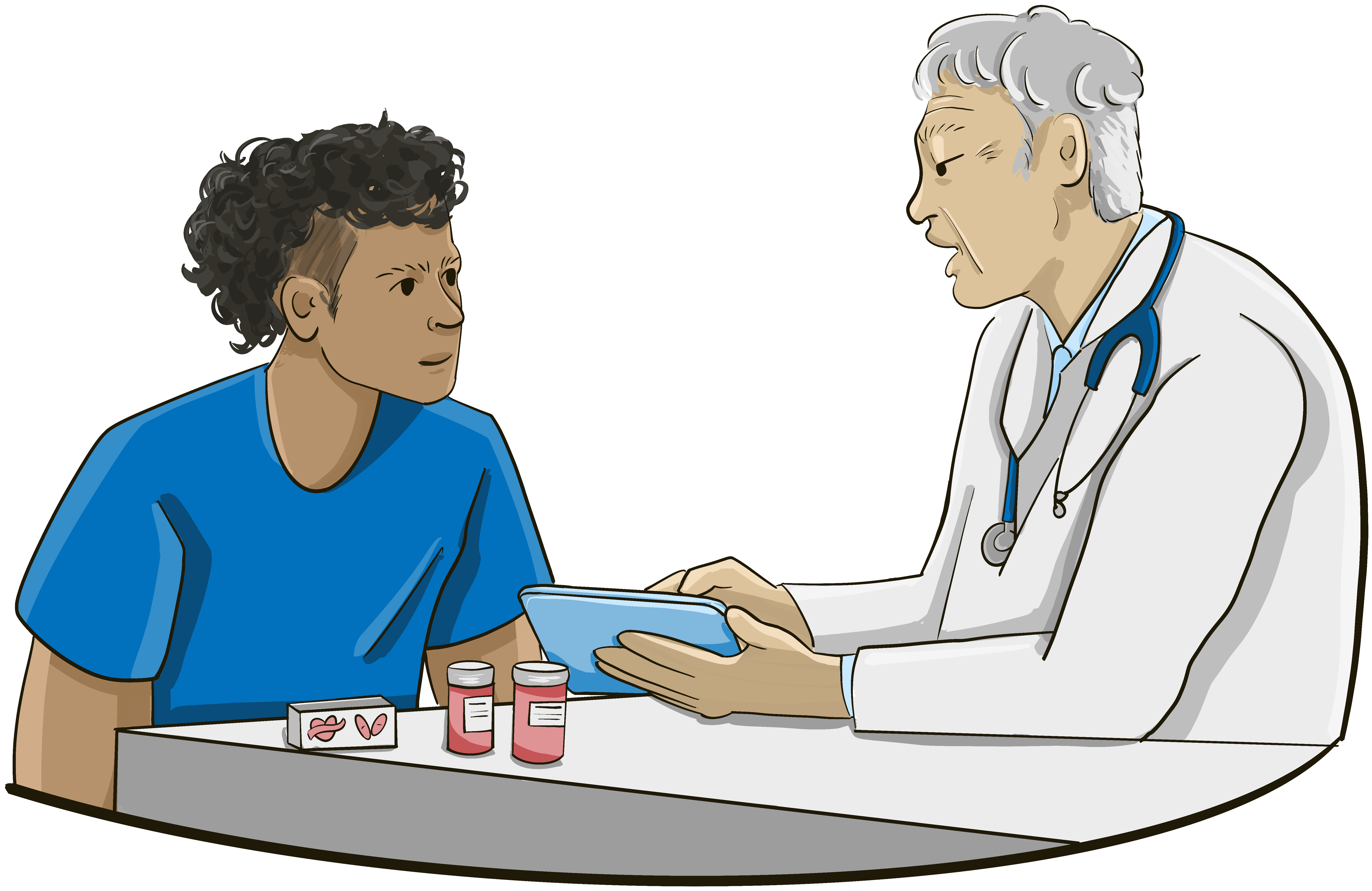
Understand why each medicine is prescribed, how it can help and its possible side effects. Common heart medicines treat abnormal rhythms, heart failure and high blood pressure, or reduce blood clotting.
Your cardiology team, GP or pharmacist can answer questions about the benefits, side effects and how to take your medicine. Tell your medical team if you have side effects or stop taking a medicine.
The medicine pages explain key points and link to more detailed information, including Medsafe New Zealand. You can also search Medsafe for medicines not covered here.

- ACE inhibitors
ACE inhibitors relax and widen blood vessels, reducing the work the heart needs to do.
- Beta-blockers
Beta-blockers reduce the effects of adrenaline, slowing the heart and helping stabilise its rhythm.
- Diuretics
Diuretics help the kidneys remove excess fluid from the body.
- Amiodarone
Amiodarone is a powerful medicine for treating abnormal fast heart rhythms.
- Warfarin
Warfarin reduces blood clotting to help prevent harmful clots.
- Low-dose aspirin
Low-dose aspirin reduces the clumping of platelets, helping prevent harmful blood clots.
- Sotalol
Sotalol is used to control abnormal fast heart rhythms.
- Dabigatran
Dabigatran slows blood clotting by blocking a clotting factor called thrombin.
Surgery
Learn about the adult congenital surgical setting and team, and what happens around admission.
- Adult congenital heart surgery: what to expect
Understand the Auckland surgical setting, the team and the steps before and immediately after a heart operation.