Beta-blockers
Beta-blockers reduce the effects of adrenaline, slowing the heart and helping stabilise its rhythm.
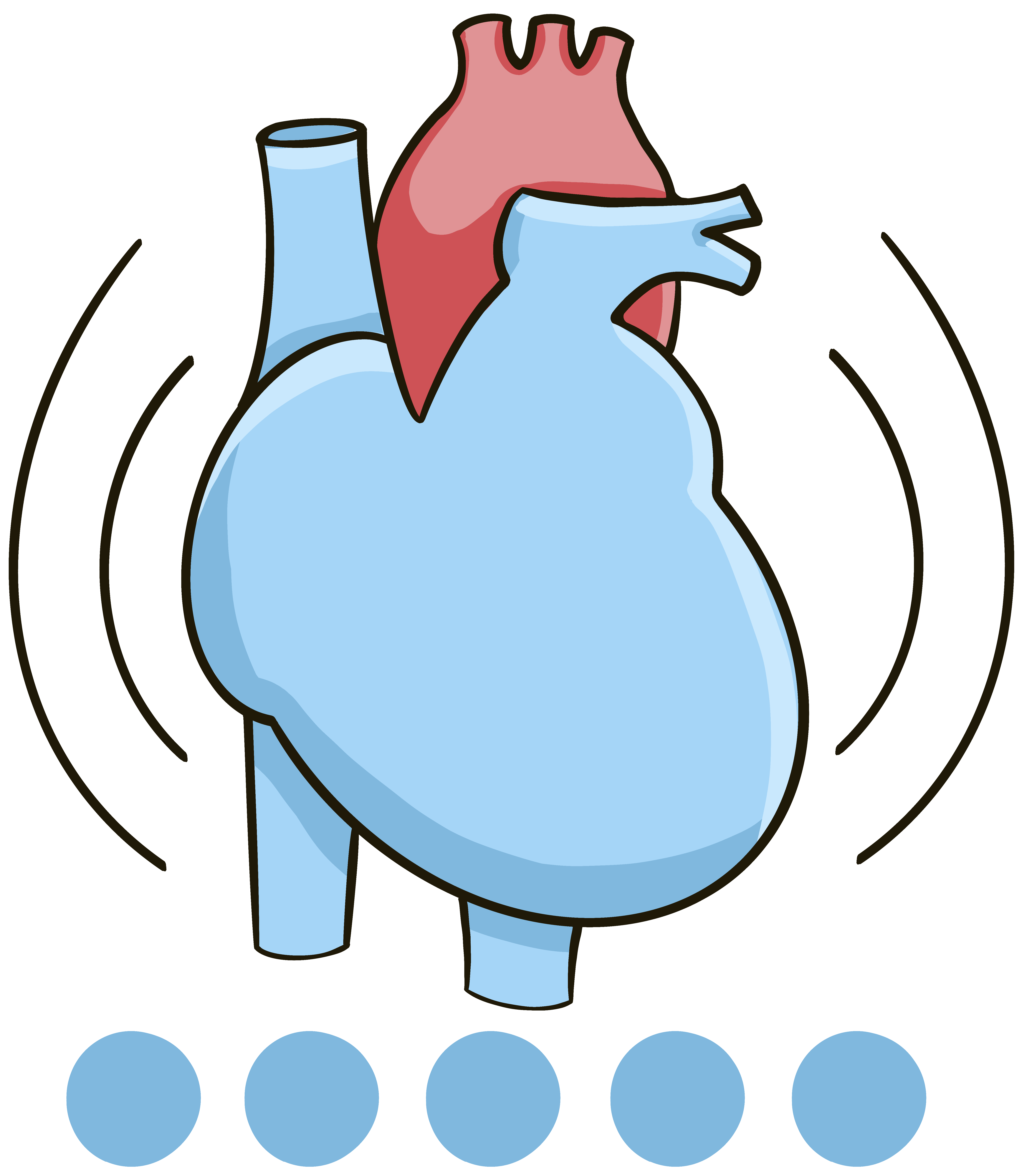

Beta-blockers slow the heart and can also help stabilise heart rhythm.
What it is used for
In ACHD, common reasons include controlling abnormal fast rhythms, treating weak heart muscle or heart failure, and treating high blood pressure. Examples include metoprolol, sotalol, carvedilol, bisoprolol, nadolol and atenolol.
Asthma and diabetes
Worsening asthma or problems with diabetes.
Possible side effects
Possible side effects include:
Cold hands and feet.
Dizziness or tiredness.
Depression or low mood.
Nausea, constipation or diarrhoea.
Nightmares or other sleep problems.
Sexual problems.
Taking other medicines
Some medicines change the effect of others, making them more or less potent. Tell your doctor and pharmacist about everything you take.
Talk to your cardiology team or GP if you are unsure about your medicine.
How beta-blockers work
Reducing adrenaline’s effects makes the heart beat more slowly and with less force, and lowers blood pressure. The heart does not have to work as hard. Beta-blockers also help stabilise the heart rhythm.
Resources and references
- Bisoprolol information from My Medicines NZ (external resource)
- Bisoprolol consumer information from Medsafe NZ (external resource)
- Metoprolol information from My Medicines NZ (external resource)
- Metoprolol consumer information from Medsafe NZ (external resource)
- Carvedilol information from My Medicines NZ (external resource)
- Carvedilol consumer information from Medsafe NZ (external resource)