Cardiac CT scan
A cardiac CT scan uses X-rays to produce detailed pictures of the heart and blood vessels.

Why might I need a cardiac CT scan?
Computed tomography (CT) uses X-rays to make detailed pictures of the heart and blood vessels. It is often used to look at the aorta (carrying blood to the body), the pulmonary arteries (carrying blood to the lungs) and the coronary arteries (supplying the heart muscle).
The pictures can be reconstructed into a three-dimensional view, including views of the coronary arteries.
Pregnancy, radiation and contrast reactions
What if I am pregnant or might be pregnant?
CT uses a small dose of X-ray radiation. This matters if you are pregnant or might be pregnant because radiation can affect the developing baby.
What if I have reacted to contrast before?
Contrast reactions are uncommon. They can include itching, flushing, rash or hives. Serious reactions, including breathing difficulties or anaphylaxis, are very rare. The CT facility has medicines and resuscitation equipment to treat a reaction. A previous contrast reaction increases your risk of another. Tell the team in advance: medicines before a scan may sometimes reduce this risk.
How should I prepare?
Tell the team about any previous reaction to X-ray contrast and if you are pregnant or could be pregnant.
What can I eat and drink before the scan?
Follow the instructions about avoiding food for a few hours before the scan. Water is usually allowed. Avoid caffeine, including tea, coffee and chocolate, because it can increase your heart rate. Your appointment information gives the timings.
What should I wear or remove?
Wear loose, comfortable clothes for lying on the scan table. Remove jewellery, piercings and other metal items as instructed.
Where is CT done, and how long does it take?
Cardiac CT is usually done in hospital, but may be available at a community radiology practice. The pictures themselves take only a few seconds.
What happens during the CT scan?
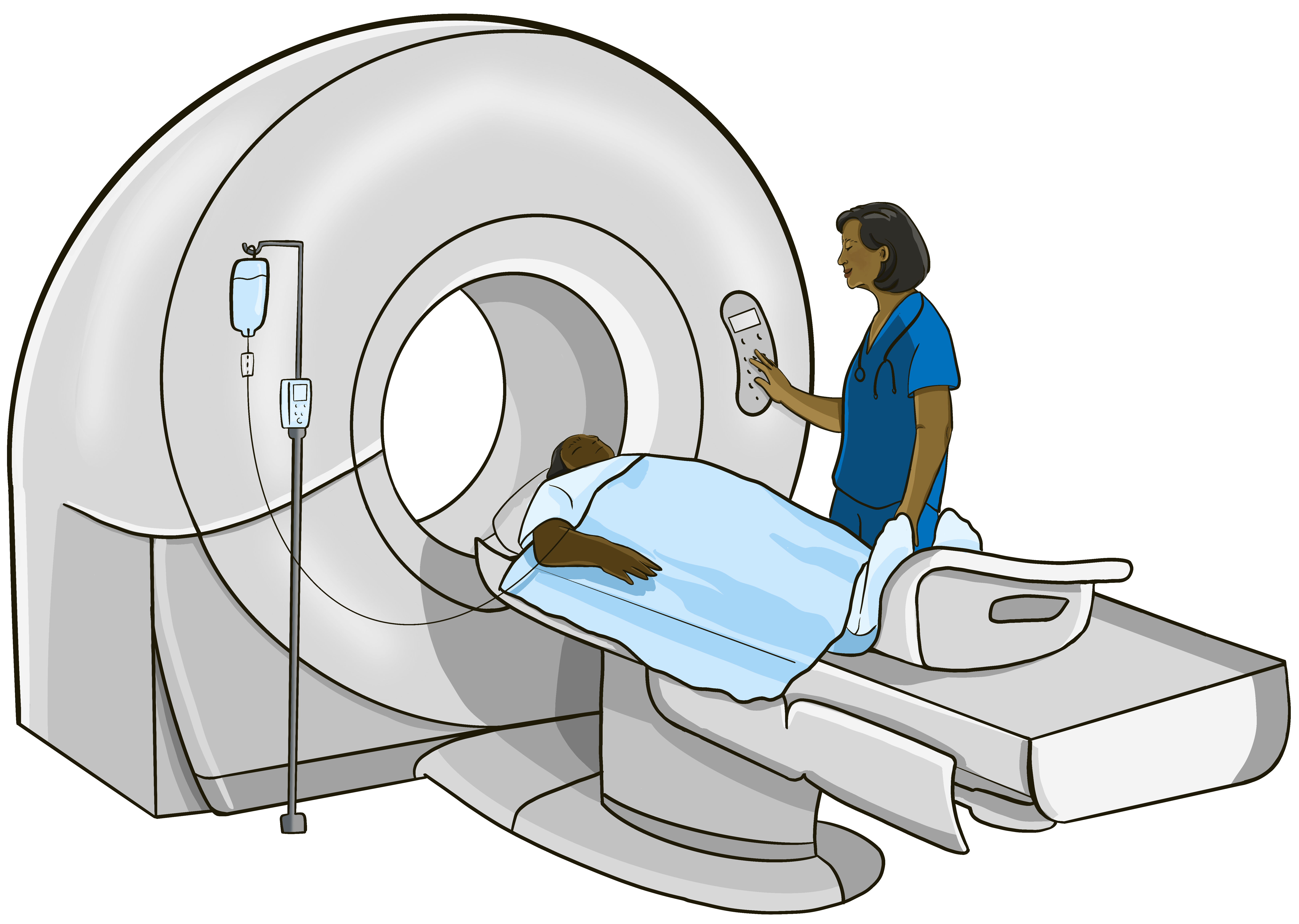
A radiographer places an intravenous line in a vein in your arm so contrast dye can be given to make the vessels show clearly. Sometimes a beta-blocker medicine slows your heartbeat to make the pictures clearer.
You lie on a bed that moves into the scanner and usually hold your breath briefly during the pictures. Contrast is injected automatically just beforehand. The radiographer controls the scan from the room next door and can speak to you through an intercom, even while you are alone in the scanning room.
What does the contrast injection feel like?
Contrast can briefly make you feel warm or flushed, or give a metallic taste in your mouth.