Diuretics
Diuretics help the kidneys remove excess fluid from the body.
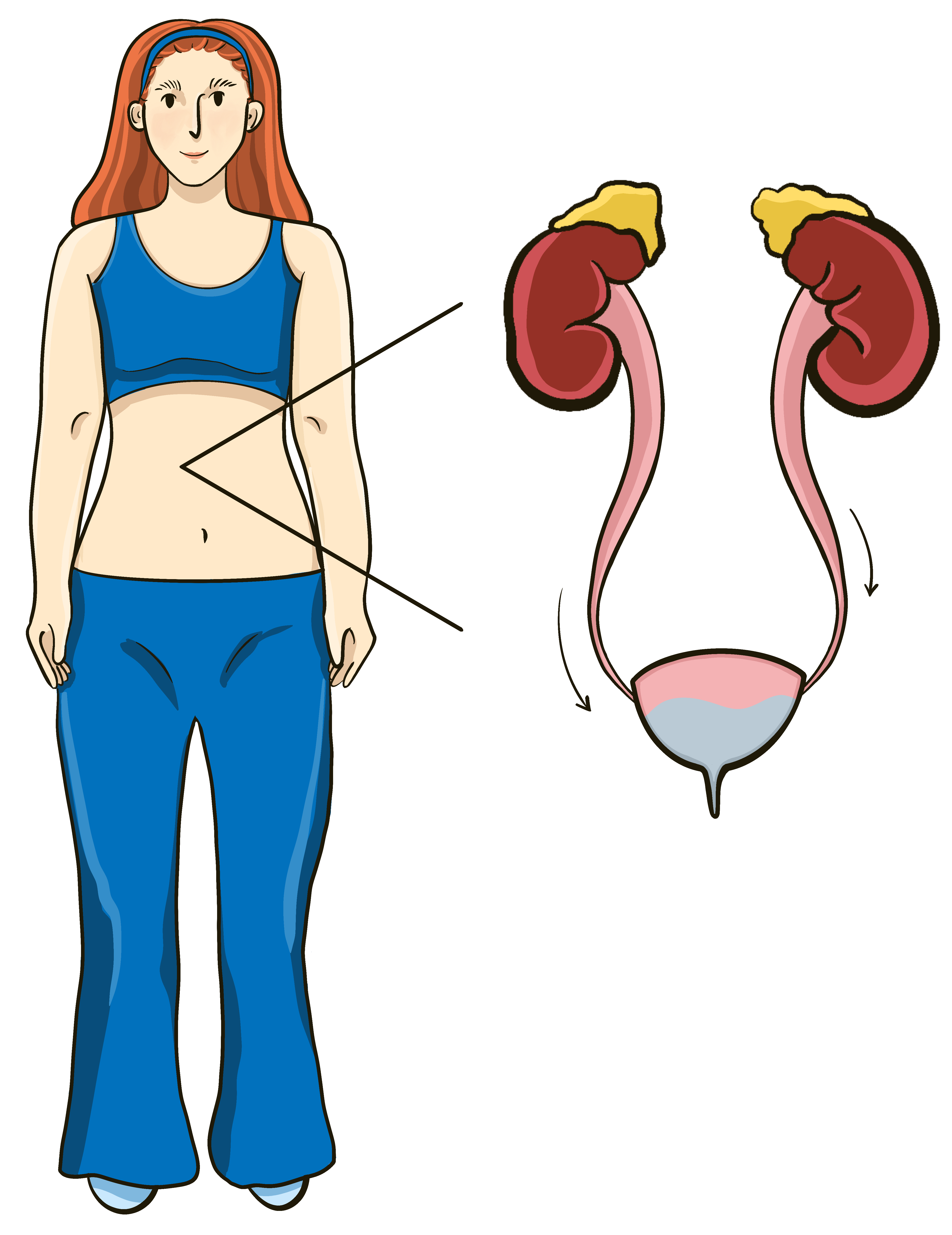

Diuretics act on the kidneys so more water passes out in urine.
What it is used for
They reduce fluid build-up, helping breathing when fluid has collected in the lungs and reducing swelling in the legs or abdomen. Examples include furosemide (also called frusemide), bendroflumethiazide, chlortalidone, metolazone, bumetanide and hydrochlorothiazide.
Possible side effects
Possible side effects include:
Dizziness.
A dry mouth or thirst.
Muscle cramps.
Low sodium, potassium or magnesium levels in the blood.
Blood tests for sodium, potassium and magnesium
Your doctor arranges blood tests to check these levels. Make sure you attend them.
Taking other medicines
Some medicines change the effect of others, making them more or less potent. Tell your doctor and pharmacist about everything you take.
Talk to your cardiology team or GP if you are unsure about your medicine.
How diuretics work
Different types work in slightly different ways, but all act on the kidneys to increase the water passed out in urine.
Resources and references
- Furosemide consumer information from Medsafe NZ (external resource)
- Furosemide information sheet from My Medicines NZ (external resource)
- Bumetanide consumer information from Medsafe NZ (external resource)
- Bumetanide information sheet from My Medicines NZ (external resource)
- Bendroflumethiazide consumer information from Medsafe NZ (external resource)
- Bendroflumethiazide information sheet from My Medicines NZ (external resource)