Warfarin
Warfarin reduces blood clotting to help prevent harmful clots.
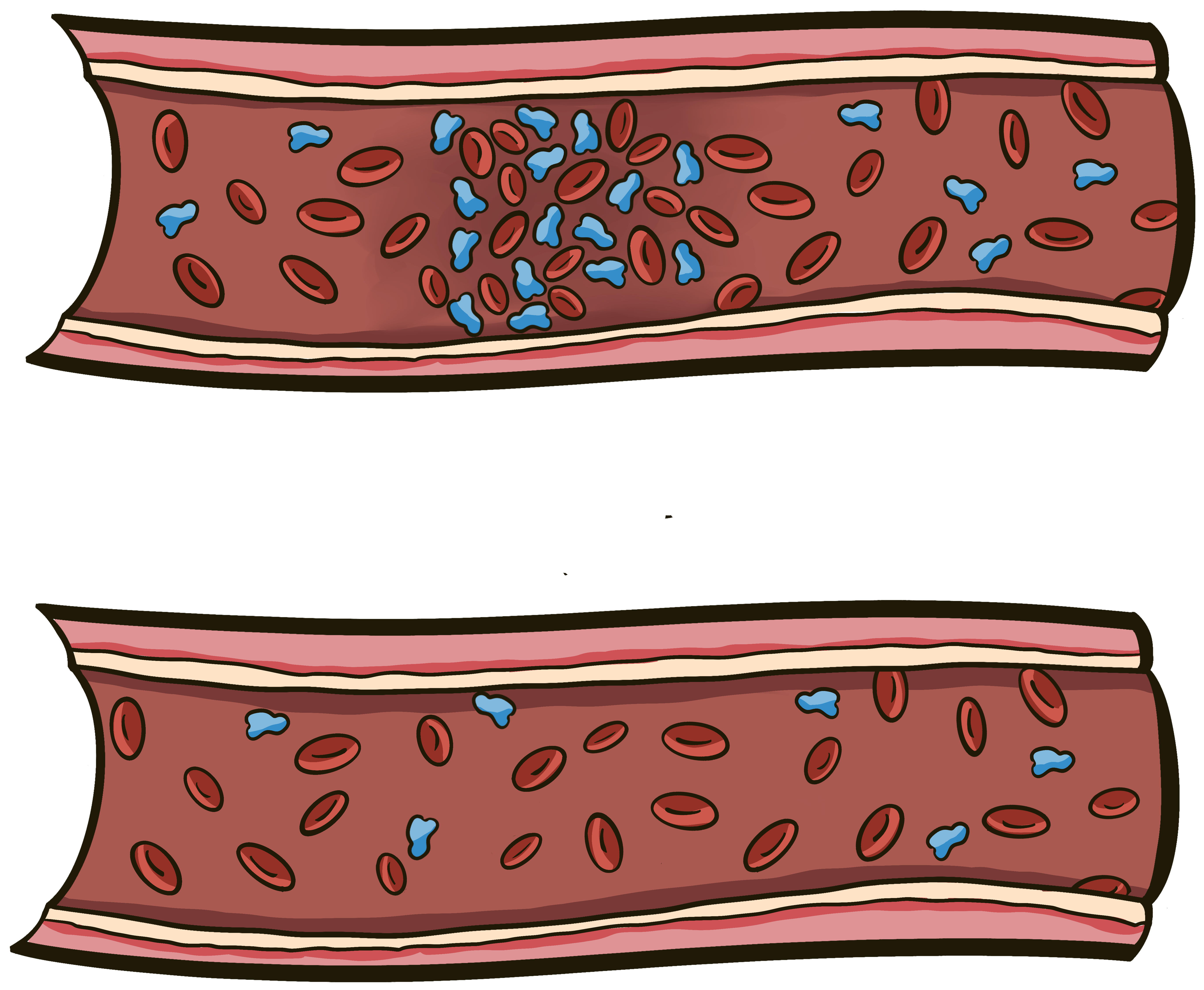

Warfarin slows clotting to reduce the formation of harmful blood clots.
What it is used for
Clotting normally stops bleeding after an injury, but a clot inside the heart or a blood vessel can be dangerous. Warfarin reduces clotting when the risk of these harmful clots is increased.
In ACHD, it may prevent clots on replacement heart valves or in a Fontan circulation, or reduce stroke risk in people with atrial fibrillation.
INR blood tests and adjusting your dose
Everyone needs a different dose. A regular blood test called an INR measures warfarin’s effect, and your doctor adjusts the dose using the result. Attend these tests: too little warfarin may not work, while too much increases the risk of serious bleeding.
Bleeding and bruising
Increased bruising.
Nosebleeds.
Bleeding gums.
Heavy periods.
Signs of more serious bleeding
Blood in your urine or stools (poo).
Coughing up or vomiting blood.
A large bruise that forms a lump.
See your doctor if you notice these signs.
Other medicines and supplements
Many medicines affect warfarin and may make it more or less potent. This can cause major bleeding. Tell your doctor and pharmacist about everything you take, including complementary medicines. Before taking another medicine or supplement, ask your pharmacist whether it is safe with warfarin and check the label.
If you are unsure, talk to your cardiology team, GP or pharmacist.
How warfarin works
Warfarin slows clotting by preventing some clotting factors made in the liver from being activated.
Clotting factors and platelets
Clotting involves several substances in the blood, as well as small blood cells called platelets. The liver makes some of the clotting factors. Blocking their activation slows clotting and reduces the chance of a dangerous clot forming inside the heart or blood vessels.