Electrophysiology study
An electrophysiology study examines the electrical signals that control your heartbeat.

Why might I need an EP study?
An electrophysiology (EP) study examines the electrical signals that control the heartbeat and whether you are prone to abnormal rhythms. It is often combined with ablation, a treatment for an area causing a fast rhythm. It usually investigates fast rhythms such as atrial flutter, atrial fibrillation, supraventricular tachycardia (SVT) or ventricular tachycardia (VT). Sometimes it is recommended without symptoms if your team thinks you are at high risk, for example when assessing whether you need an implantable cardiac defibrillator (ICD).
Where is it done, and who performs it?
ACHD rhythms can differ from those in other heart conditions. Your team may recommend Auckland, where an electrophysiology doctor with specific ACHD experience can perform the procedure.
How should I prepare?
Will I need to stop heart rhythm medicines?
If you take heart rhythm medicines, you will usually need to stop them before the procedure. This is often four or five days beforehand, but your booking team gives the exact timing.
When should I stop eating and drinking?
You will usually be asked not to eat or drink for a few hours before the procedure. Follow the instructions given for your admission.
Will I need sedation or a general anaesthetic?
Sedation may help you relax. A general anaesthetic may be needed for a long procedure, but it can also make an abnormal rhythm harder to trigger. The team weighs this up and discusses the plan with you.
What happens during the EP study?
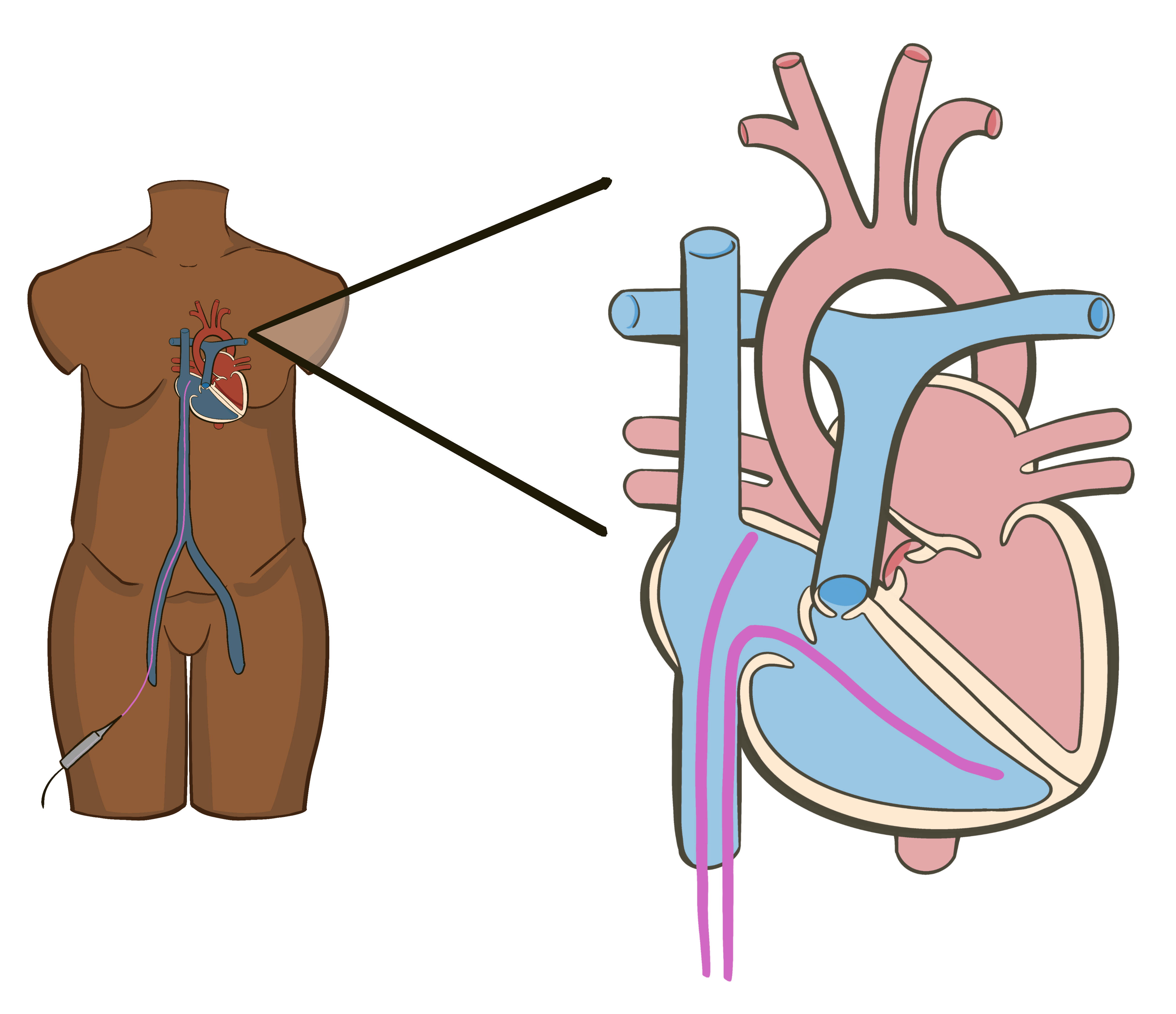
The study takes place in a sterile cardiac catheterisation room with equipment for detailed analysis of the heartbeat’s electrical signals. Local anaesthetic numbs the entry area. Thin, flexible catheters pass through a vein, usually in the groin, into the heart. The catheters map the small electrical signals and can trigger the rhythm being investigated. Once the team has identified and analysed it, they decide how best to treat it.
What is catheter ablation?
Ablation applies heat or freezing energy through a special catheter to destroy the small area causing the abnormal rhythm, aiming to stop it recurring.
What are the risks?
Major complications are uncommon, but the risk depends on your heart condition and rhythm problem. The electrophysiology doctor explains your individual risks before you consent.
Bleeding and bruising at the catheter site
Bleeding or a collection of blood under the skin (a haematoma) can occur where a catheter enters, usually in the groin. This can be uncomfortable and bruised, but should settle over a few days.
Could ablation mean I need a pacemaker?
Ablation can sometimes damage the heart’s normal electrical pathways, which may mean a pacemaker is needed. In general, this happens in about one person in 200 ablation procedures.
How long will I stay in hospital?
Most people arrive the day before and go home the day after the study: usually two nights in hospital, although this varies.