Dabigatran
Dabigatran slows blood clotting by blocking a clotting factor called thrombin.
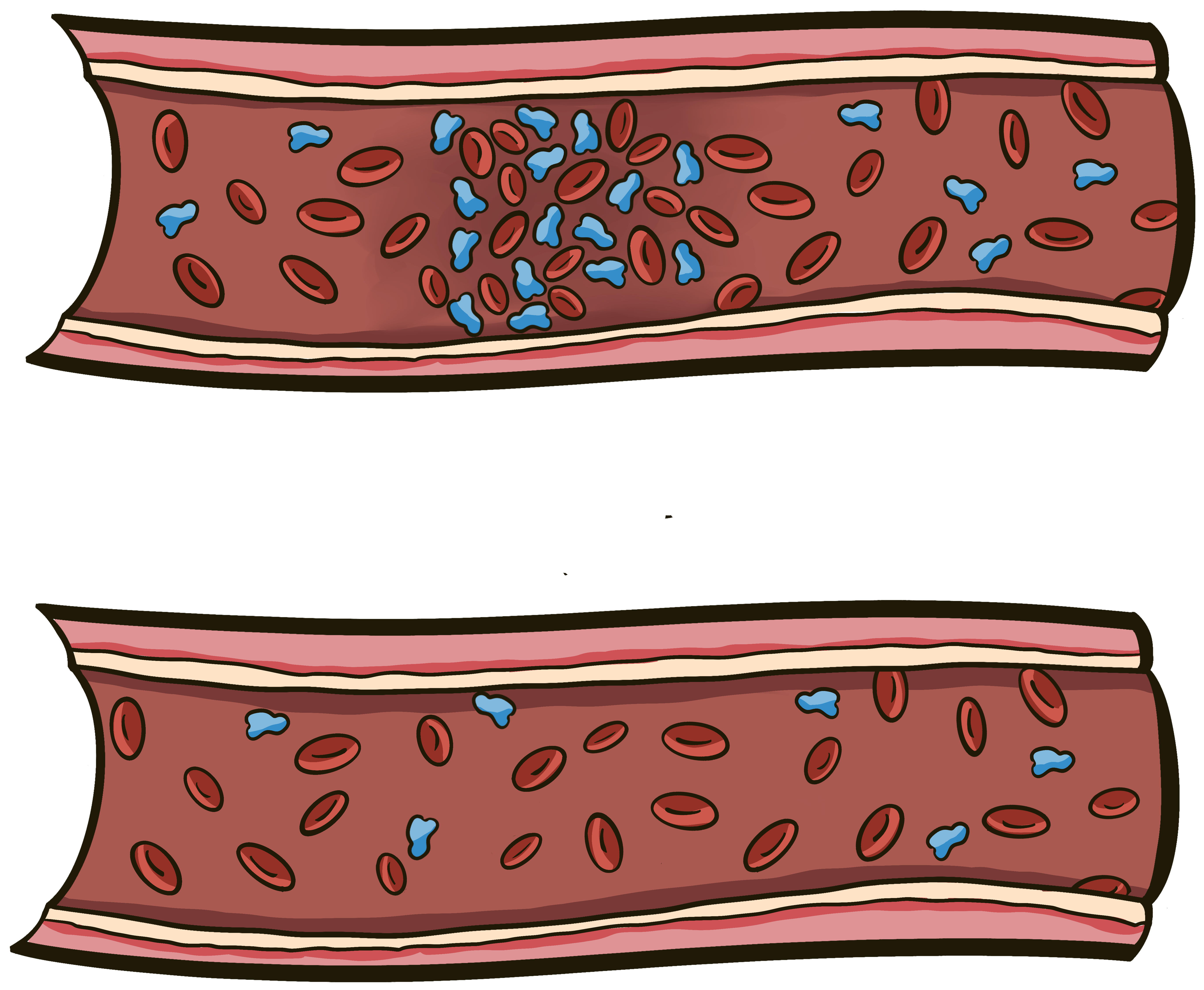

Dabigatran is prescribed in selected situations to reduce the risk of harmful blood clots.
What it is used for
Clotting stops bleeding after injury, but harmful clots can form inside the heart or blood vessels. Dabigatran reduces this risk. Uses described in congenital heart care include reducing stroke risk with atrial fibrillation and reducing clot risk in a Fontan circulation.
Does dabigatran need INR blood tests?
Unlike warfarin, dabigatran does not need INR blood tests. Its dose is standardised and does not usually need adjustment.
Bleeding and bruising
Increased bruising.
Nosebleeds.
Bleeding gums.
Heavy periods.
Signs of more serious bleeding
Blood in your urine or stools (poo).
Coughing up or vomiting blood.
A large bruise that forms a lump.
See your doctor urgently if any of these occur.
Other medicines and supplements
Other medicines and supplements can make dabigatran more or less potent, potentially causing serious bleeding. Tell your doctor and pharmacist about everything you take, including complementary medicines. Before starting something new, check with your pharmacist and read the label.
If you are unsure, talk to your cardiology team, GP or pharmacist.
How dabigatran works
Dabigatran stops thrombin from working, slowing clot formation and reducing the chance of harmful clots in the heart or blood vessels.
Clotting factors and platelets
Blood clotting involves several substances, called clotting factors, as well as small blood cells called platelets. Thrombin is one of these clotting factors.