Tetralogy of Fallot
Tetralogy of Fallot is a congenital heart condition that can cause low oxygen levels. It is usually repaired by an operation in early childhood.
Also known as: TOF, tetralogy, repaired tetralogy of Fallot
Normal heart
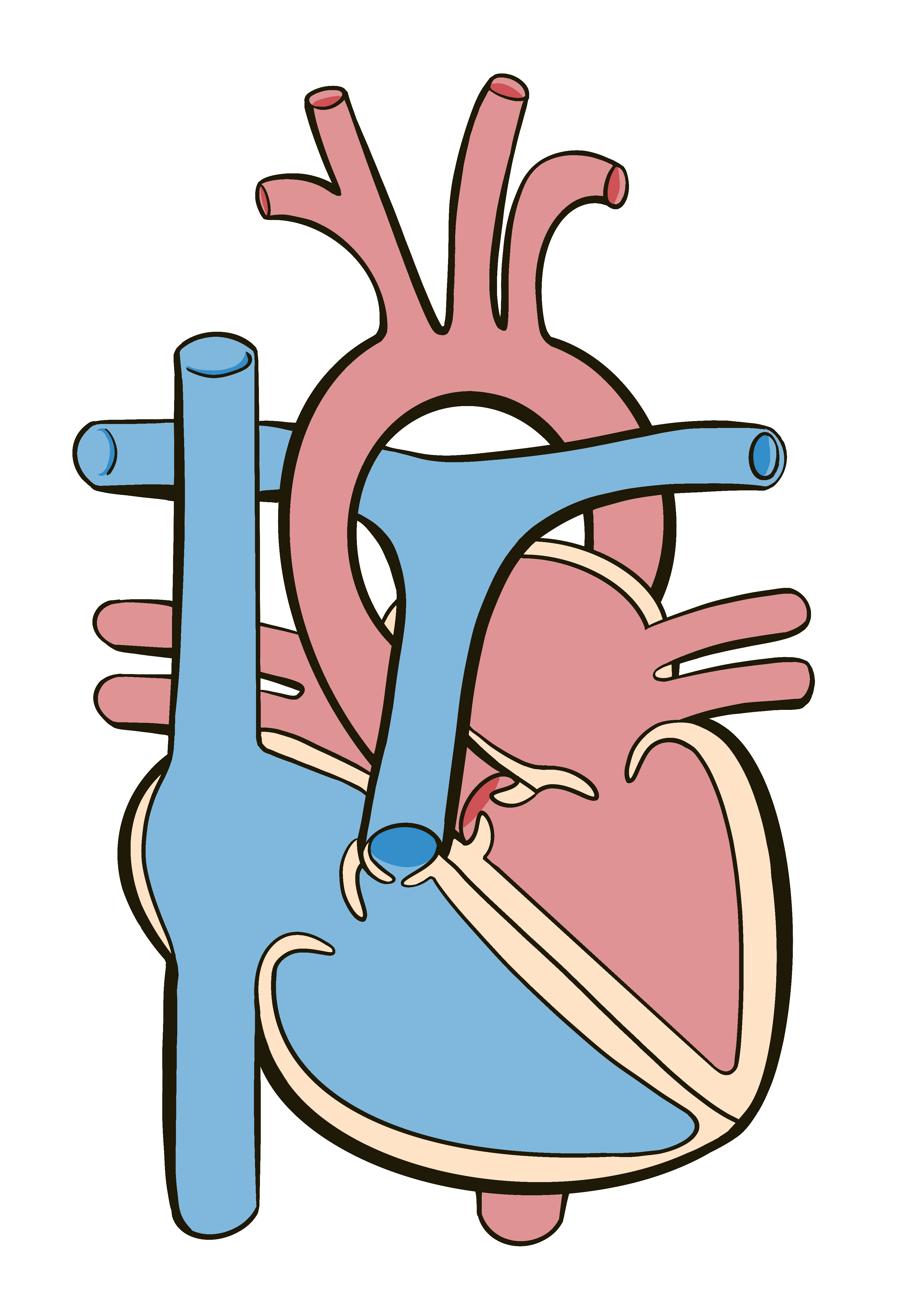

Tetralogy of Fallot
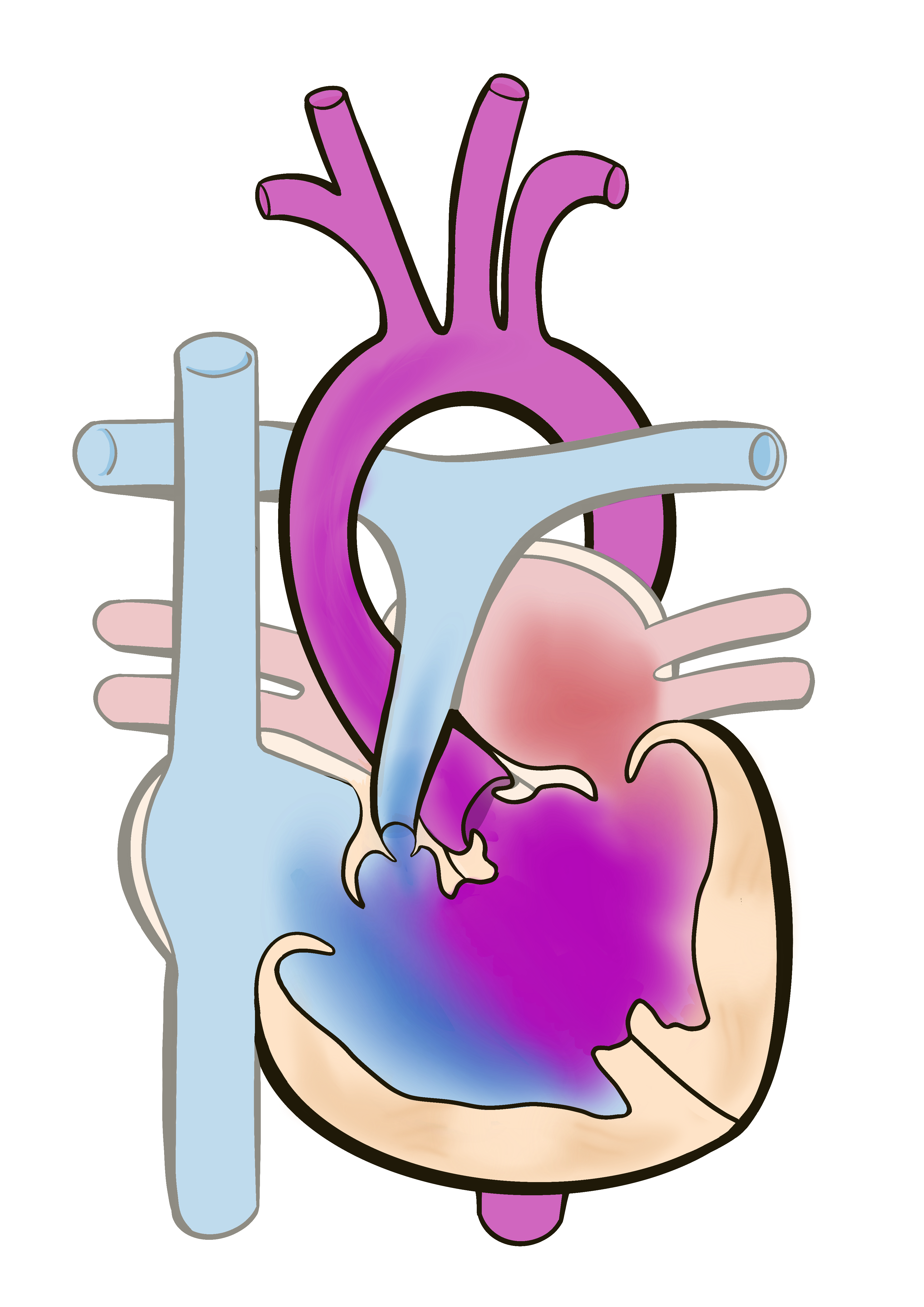

In Tetralogy of Fallot, the valve controlling blood flow from the heart to the lungs is usually too small. Childhood surgery opens this valve, which may then leak. These drawings compare a normal heart with Tetralogy of Fallot before repair.
What this means in adulthood
Tetralogy of Fallot is the most common cause of cyanotic congenital heart disease, which means lower-than-normal oxygen levels. It is usually repaired in early childhood. The repair does not make the heart completely normal: lifelong cardiology follow-up is needed, and many people eventually need another operation or procedure to replace the pulmonary valve.
Background and history
About 1 baby in 3,000 is born with Tetralogy of Fallot, approximately 17 babies a year in New Zealand. The French physician Étienne-Louis Arthur Fallot (1850–1911) described the condition in 1888.
What your team monitors
A leaking pulmonary valve
Pulmonary regurgitation means the valve controlling blood flow from the heart to the lungs leaks. Some blood pumped towards the lungs returns to the right ventricle. This adds work and can gradually enlarge and weaken the ventricle, leading to other complications.
What changes should I tell my team about?
Tell your team about new symptoms, because they can be a sign that a replacement valve is needed.
When might the pulmonary valve need replacing?
A new valve can be implanted in an operation. Replacement valves do not last forever, so timing matters. Echo, MRI and exercise tests help your team decide when replacement is needed.
Can I prevent the leak?
You cannot usually prevent the leak.
Why the pulmonary valve leaks
The pulmonary valve is usually too small in Tetralogy of Fallot. Opening it during childhood repair improves blood flow but often leaves it leaky.
Fast rhythms from the pumping chambers
Ventricular tachycardia is a fast abnormal rhythm starting in the ventricles, the pumping chambers. It can prevent the heart from supplying enough blood to the body, particularly the brain. It may cause loss of consciousness and, rarely, sudden death.
How is ventricular tachycardia treated?
Heart rhythm medicines are often tried first. A specialised catheter procedure may help stop the rhythm, and some people need an implantable cardioverter-defibrillator (ICD).
Can I prevent these rhythms?
You cannot usually prevent it. Some people notice that excess alcohol or caffeine makes abnormal rhythms worse.
Why ventricular tachycardia develops
Scars in the ventricles from previous surgery, together with the extra work the right ventricle has to do, can make these rhythms more likely.
Infection of the heart lining
Bacterial endocarditis is an infection of the inner lining of the heart, often involving the valves. It can be difficult to treat, may need surgery and can be fatal. Bacteria often come from the mouth.
How can I reduce the risk of endocarditis?
Brush, floss and see your dentist regularly to keep your teeth and gums healthy.
How is endocarditis treated?
Treatment usually needs a long course of intravenous antibiotics. If antibiotics do not control the infection, surgery may be needed to remove an infected valve.
How infection reaches the heart
Bacteria enter the bloodstream and settle inside the heart. The risk is higher after heart surgery, particularly a valve replacement.
Why follow-up matters
Lifelong cardiology follow-up monitors valve function, the size and strength of the right ventricle and heart rhythms. The timing of valve replacement matters because replacement valves do not last forever.