Eisenmenger syndrome
Eisenmenger syndrome can develop when a hole in the heart or another congenital connection sends too much blood through the lungs at high pressure.
Also known as: Eisenmenger, pulmonary arterial hypertension, cyanosis
Normal heart
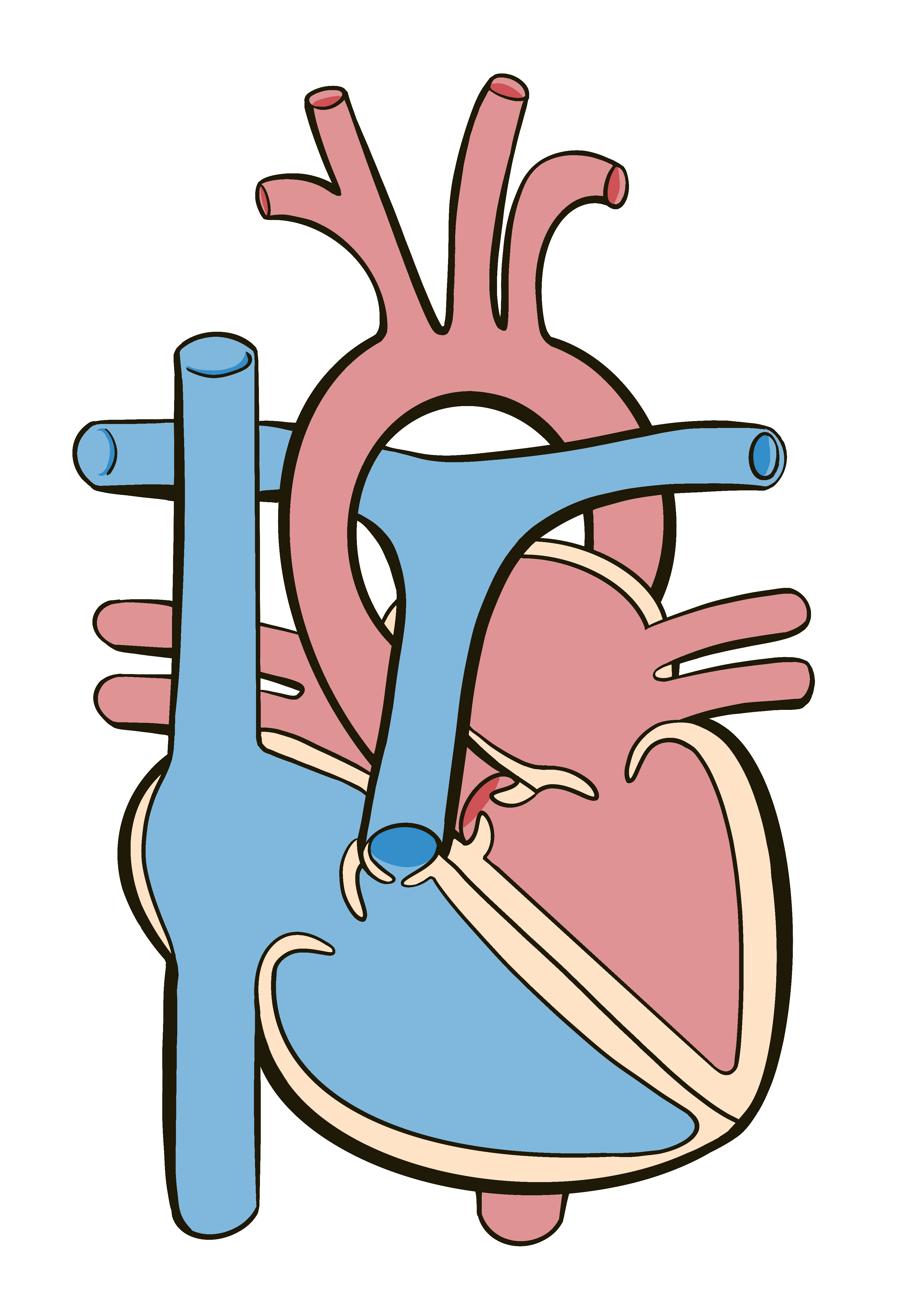

Eisenmenger syndrome
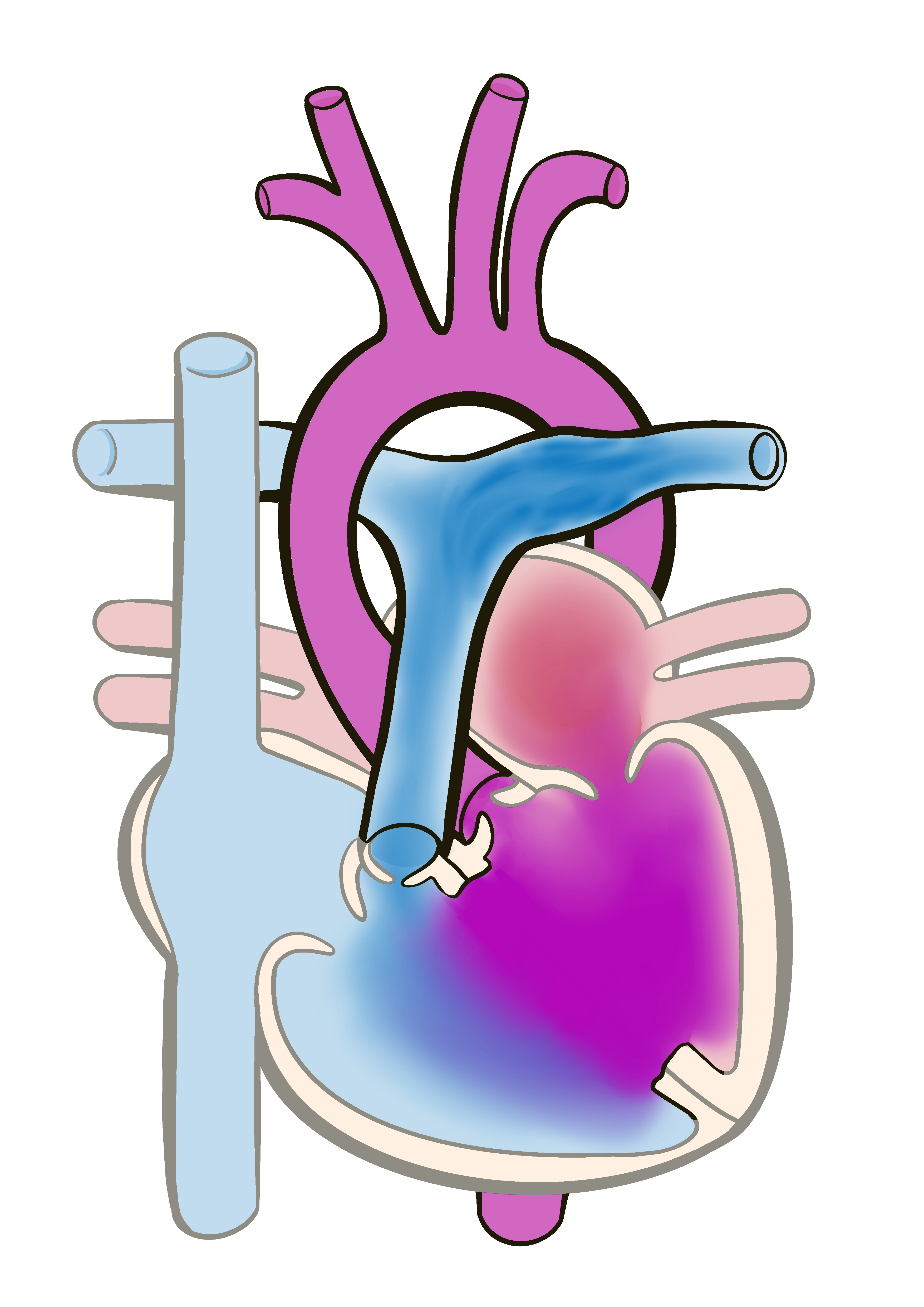

What this means in adulthood
Eisenmenger syndrome most often develops from a hole in the heart, such as a VSD or ASD, but can also follow a patent ductus arteriosus (PDA) or a more complex heart condition. Extra blood flow, usually at high pressure, gradually damages the lung arteries if the connection is not closed. Their walls thicken, so less blood can pass through the lungs.
This is a form of pulmonary arterial hypertension. Less oxygen is picked up, causing low oxygen levels in the body, a blue tinge to the lips or skin and a low oxygen-saturation reading on the finger probe used in clinic. Low oxygen can affect many organs and contribute to kidney problems, gout, gallstones and stroke.
Surgery cannot cure Eisenmenger syndrome; careful ACHD follow-up is needed.
Background and history
The syndrome was described in 1897 by the Austrian physician Dr Victor Eisenmenger.
What your team monitors
An increased number of red blood cells
Erythrocytosis means your blood contains more red blood cells. These cells carry oxygen, and making more is your body’s appropriate response to low oxygen levels. The extra cells can increase the tendency to gout, gallstones and stroke. Some people have headaches, light-headedness or reduced alertness from thicker blood, called hyperviscosity symptoms.
Can I prevent symptoms from thicker blood?
You cannot usually prevent this response. Drink plenty of fluid and stay well hydrated to reduce the chance of hyperviscosity symptoms.
When might blood removal be considered?
For most people this is stable and best left alone. If hyperviscosity symptoms are troublesome, removing some blood can sometimes help. This needs careful specialist monitoring because it can itself cause problems.
Coughing up blood
Haemoptysis means coughing up blood. High pressure can rupture small lung vessels. A chest infection such as pneumonia can trigger bleeding, although it can happen without a clear trigger.
What should I do if I cough up blood?
If you cough up blood, see your GP or contact your cardiology team promptly. They often recommend a few days in hospital with bed rest while it settles.
How dangerous is the bleeding?
The danger depends on the amount of bleeding. Small bleeds often settle over a few days, but persistent or large bleeds may need a catheter procedure. Very large bleeds can be fatal, although this is uncommon.
Can I reduce the chance of bleeding?
See your doctor promptly for chest infections; antibiotics may be needed to reduce the chance of bleeding.
How is persistent bleeding treated?
A very thin catheter passes through a vein in the leg, through the heart and into the lung vessels. If the bleeding vessel is found, a small metal coil can block it. People with frequent episodes may benefit from medicines that lower lung blood pressure. Your medical team will discuss this with you.
Pregnancy and contraception
Pregnancy is very dangerous for women with Eisenmenger syndrome. The risk of dying during pregnancy is up to 50%. Even if you survive, pregnancy can cause long-term deterioration in your health.
What are the risks for the baby?
Low oxygen levels also affect the developing baby. Miscarriage is much more common. Babies who are born alive are highly likely to be smaller than normal and premature.
What if I become pregnant unexpectedly?
If you become pregnant unexpectedly, your team will discuss the options. Most doctors regard early termination as the safest approach. If you continue the pregnancy, you need very careful cardiology and obstetric follow-up. Bed rest and a long hospital stay may be needed.
Which contraception options can I discuss?
Avoiding pregnancy is safest. Your medical team can discuss contraception that suits you and arrange a family planning specialist if needed.
Options include sterilisation for you or a vasectomy for your partner. Long-term options include a progesterone hormone rod injected under the skin, or an intra-uterine device releasing a very small amount of progesterone into the cervix. These can provide effective contraception for up to five years. Your team will discuss which option is best for you.
Why pregnancy changes the circulation
During pregnancy, 40–50% more blood circulates, blood clots more readily and you become mildly anaemic. Blood flows easily through the low-resistance vessels in the placenta. With Eisenmenger syndrome, more blood goes around the body and less through the lungs. Oxygen levels fall further.
Why follow-up matters
Careful ACHD follow-up monitors oxygen levels, heart function and the effects on other organs. Decisions about tests, medicines and pregnancy need specialist advice for your situation.