Pregnancy and contraception with ACHD
Talk to your cardiologist before trying for a pregnancy so you can understand the risks for you and plan your care.
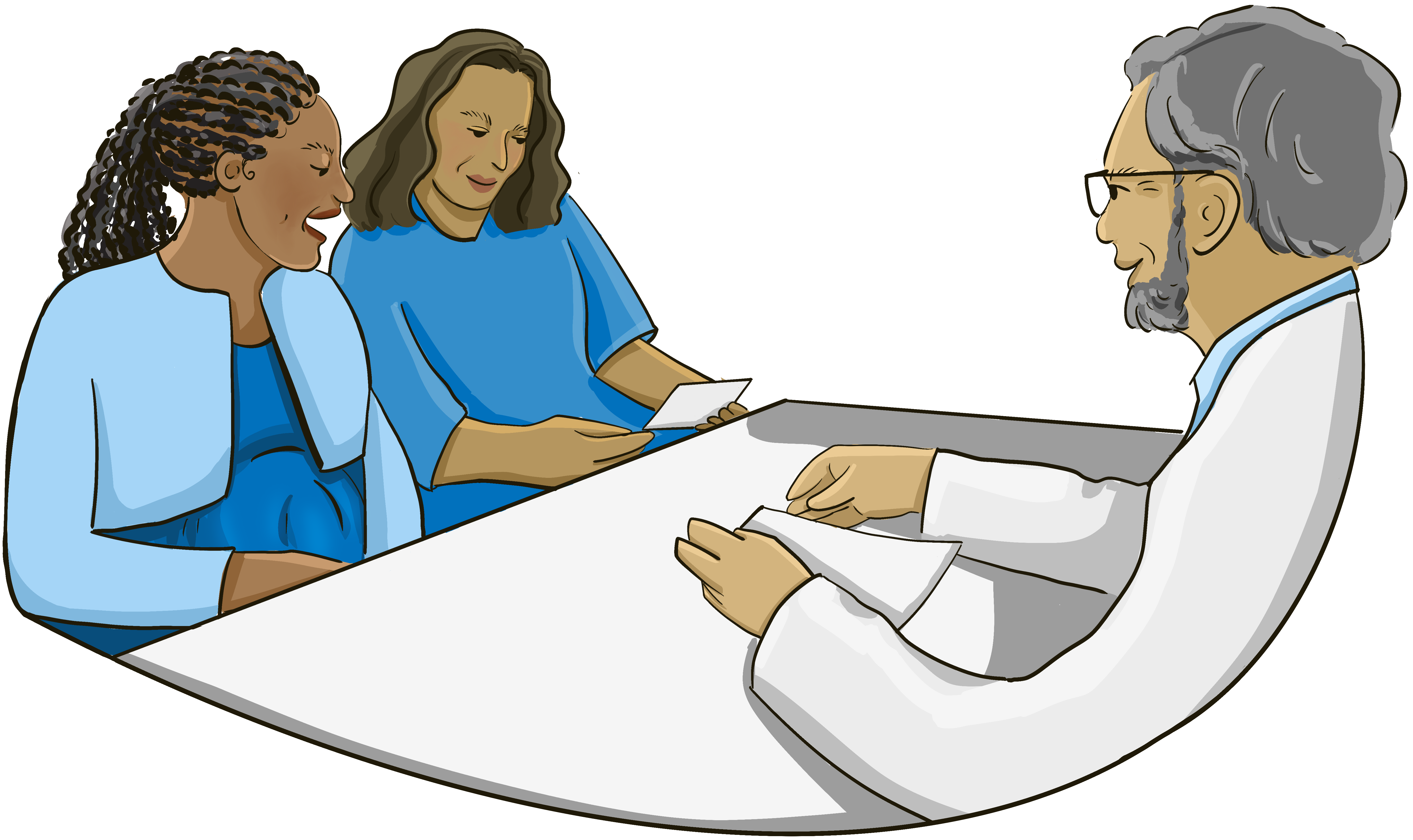

Pregnancy makes the heart work harder for nine months, much like prolonged exercise. Your heartbeat rises and, in the final three months, your heart pumps about 40% more blood than usual. Fast abnormal rhythms, blood clots and fluid retention can also become more likely.
Talk with your cardiologist before trying for a baby
The effect of pregnancy varies greatly between heart conditions. Some hearts cope well; others have a higher chance of complications. Sometimes the risk is high enough that your team recommends avoiding pregnancy.
Your cardiologist knows your heart condition and can explain the likely effects and risks. They may recommend a discussion with an obstetric physician, who specialises in pregnancy with other medical conditions. The teams help you understand the facts; the decision about pregnancy is yours, with your partner if you have one.
Assess your heart before pregnancy
Testing before you try for a baby helps your team give accurate advice and plan your care. This includes regular tests such as an echo and ECG, and may include MRI, an exercise test or a heart catheter.
Contact your team early in pregnancy
Aim to be seen at about eight weeks from the start of your last period. A cardiologist and an obstetrician or obstetric physician usually supervise your pregnancy together.
You may need more appointments than other pregnant women: sometimes two or three cardiology visits, sometimes monthly or more often, depending on your condition. This helps the team find early signs of problems.
Monitoring you and your baby
At appointments, your team asks about breathlessness, exercise tolerance and palpitations and examines you. ECGs and echo scans may be needed at different stages, depending on your heart condition. Regular scans of your baby’s growth are also likely.
Might I need to stay in hospital during pregnancy?
If there are concerns about you or your baby, you may be admitted for rest and tests. Some people with more serious heart conditions become very tired as pregnancy progresses. Occasionally extra rest means a hospital stay of several weeks near the end.
Your baby’s growth and development
Blood carries oxygen and nourishment to the placenta. If your heart is not working normally, your baby may receive less than they need. This can cause fetal growth restriction or premature birth.
With good neonatal care, many small babies do well. Some have lasting disabilities, occasionally severe. Discuss what these possibilities would mean for you and the support you might need.
Heart conditions and your baby’s scans
Could my baby have a heart condition?
Congenital heart conditions can run in families. If you have one, your baby’s risk is often around 3–5%, approximately one in 20 and about five times the average risk. It varies with your diagnosis; your team can explain your own risk. Risk is higher if your partner also has a heart condition.
When are my baby’s heart scans offered?
Ultrasound can detect up to 80% of heart abnormalities. Scanning is offered between 11 and 24 weeks; later scans can show more detail as the baby grows. If an abnormality is found, discuss the findings and your options, which may include ending the pregnancy. It helps to think about how you feel about screening and the decisions it could bring.
Planning labour and birth
For most women with congenital heart disease, a vaginal birth that goes well is the safest option.
Pain relief and an epidural
Good pain relief helps reduce strain on the heart, and an epidural is often recommended.
Assistance with the pushing stage
The final pushing stage can be exhausting. Sometimes the team assists birth with a suction cup or forceps.
When might a caesarean be recommended?
A caesarean may be recommended if your heart condition makes vaginal birth riskier, or for the same non-cardiac reasons as in other pregnancies.
The first weeks after birth
Your body changes rapidly in the first couple of weeks. Heart-related problems can develop during this time, so you may need a longer hospital stay for monitoring.
Fluid retention after birth
Fluid retention is common and medicines may help remove extra fluid.
Blood clots and heparin injections
Clots in the leg veins are more common after birth. Your team may give heparin injections to reduce clotting until you are moving around normally.
Plan contraception before going home
Discuss contraception before leaving hospital. Fertility can return as early as four weeks after birth if you are not fully breastfeeding. Plan contraception before fertility returns, and ask which methods are suitable for your heart condition.
Your pregnancy heart team
You are the most important member of your team. Stay in touch, attend appointments and tell them if something changes or does not feel right. The team combines different skills to monitor your health, adjust care and plan labour and birth from early in pregnancy.
Cardiologist
Your cardiologist monitors your heart during pregnancy and advises about risks to you and your baby before pregnancy. This is often your usual cardiologist, sometimes supported by someone with particular pregnancy expertise.
Obstetric physician
This doctor specialises in pregnancy with other medical conditions, including heart, kidney or liver conditions. They work with your cardiologist to support your health.
Obstetrician
This doctor specialises in pregnancy and helps plan and manage labour and birth. They perform a caesarean if you need one.
Midwife
Midwives are specialist nurses trained to look after women and their babies during pregnancy, labour and delivery. Most women have a midwife involved from early pregnancy through birth.
Anaesthetist
This specialist doctor provides an epidural or, when needed, a general anaesthetic during labour or delivery. Your team usually plans pain relief and anaesthesia well in advance.
Resources and references
- Detailed Pregnancy booklet from the UK Somerville Foundation (external resource)
- Protected and Proud - Bay of Plenty Contraceptive Advice (external resource)
- Pregnancy information from the ACHA (external resource)
- Birth Control information from the ACHA (external resource)
- Information from the Canadian Heart and Stroke organisation (external resource)