Ventricular septal defect
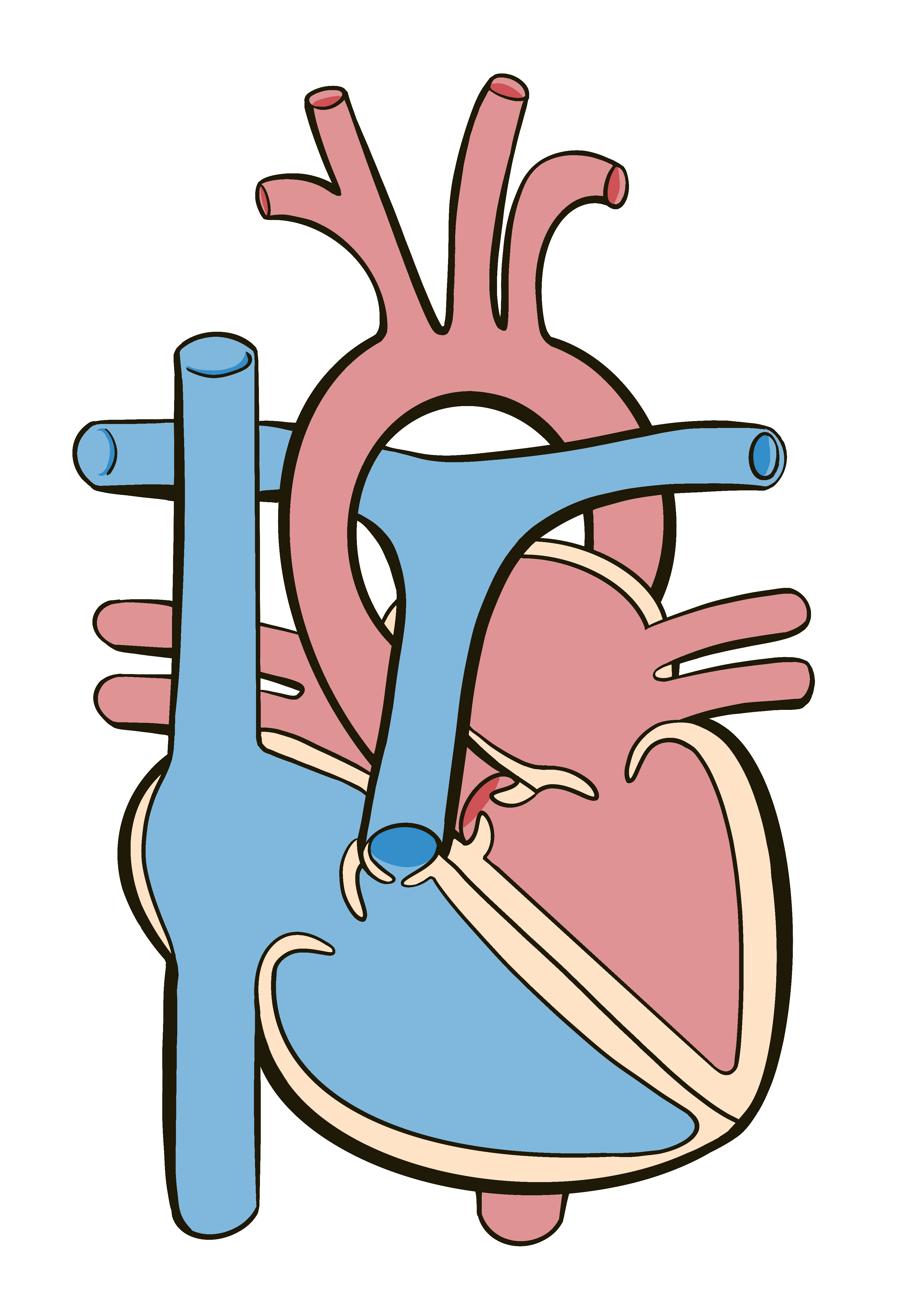
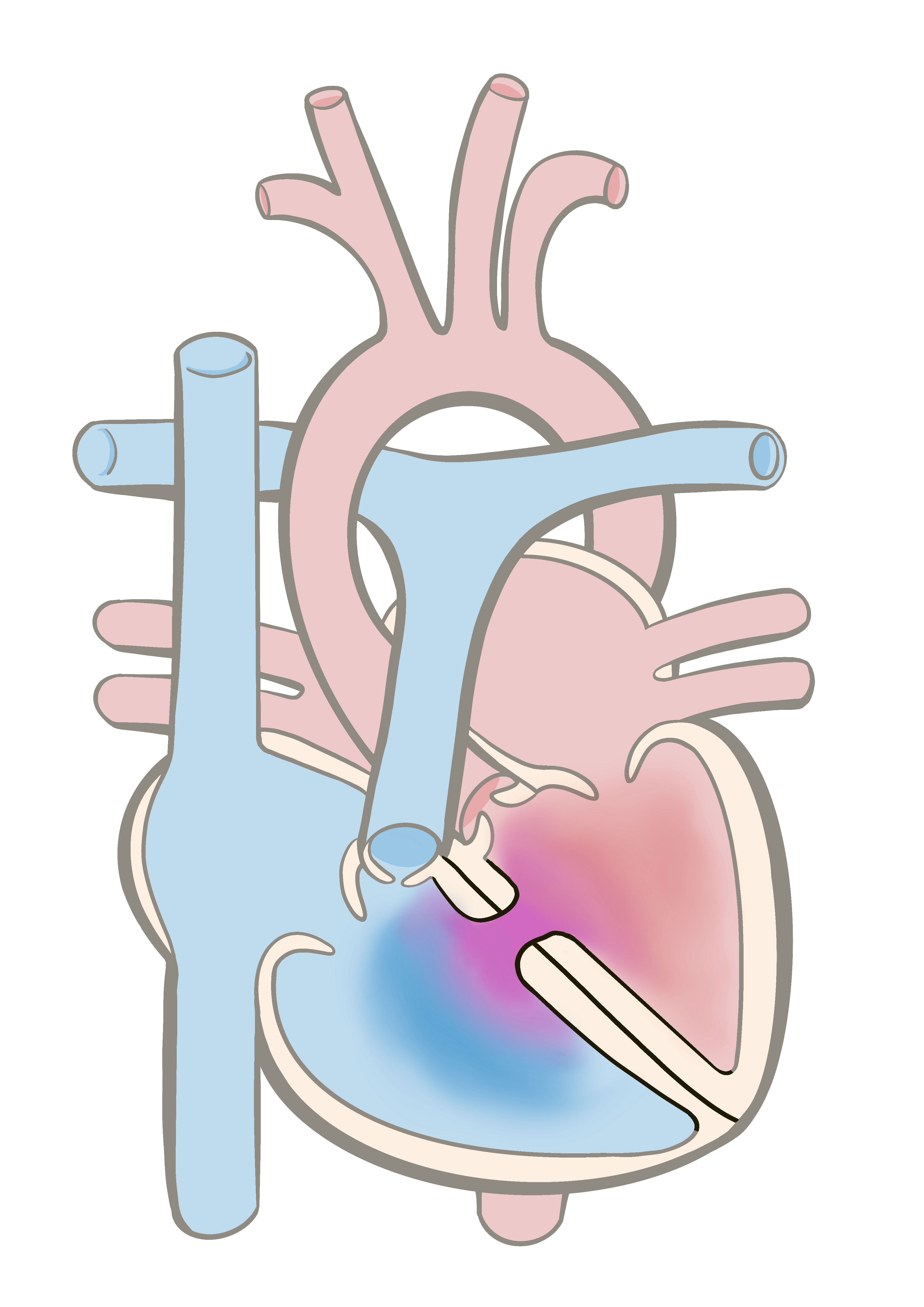
A ventricular septal defect is a hole between the two pumping chambers of the heart.
Also known as: VSD, perimembranous VSD
Normal heart

Ventricular septal defect

What this means in adulthood
A ventricular septal defect (VSD) is a hole between the two pumping chambers. Large defects usually need repair in early childhood. Most children with a successful repair have no long-term problems and do not need long-term follow-up; some small defects close by themselves and also need no further follow-up. This page focuses on adults with a small remaining VSD who feel well but need longer-term monitoring because complications can develop.
Background and history
VSD is the most common type of congenital heart condition, affecting almost 1 baby in 500. Dr Dalrymple described it in 1847. The first successful operation to close a VSD was performed by the American surgeon C. Walton (Walt) Lillehei in Minnesota in 1954.
What your team monitors
A leaking aortic valve
Aortic regurgitation means blood leaks back through the valve controlling blood flow to the body. The returning blood makes the left ventricle, the main pumping chamber, work harder. A severe leak can gradually enlarge and weaken it.
What symptoms should I tell my team about?
Contact your heart team if you become more breathless or less able to exercise.
When might valve surgery be needed?
Your team may recommend valve repair or replacement, sometimes using medicines to delay surgery. If a valve operation is needed, the surgeon usually closes the VSD at the same time.
Can I prevent the leak?
You cannot usually prevent this.
Why the aortic valve can leak
The most common VSD in adults, a perimembranous VSD, lies very close to the aortic valve. Part of the valve can prolapse into the hole, distorting it and causing a leak.
Muscle narrowing inside the right ventricle
Double-chambered right ventricle means extra muscle effectively divides the right pumping chamber into two parts. If the narrowing becomes tight, this chamber must work harder to pump blood to the lungs and can gradually weaken.
Can I prevent it, and how is it found?
This is a rare complication with no definite preventable cause. Keep your follow-up appointments so your team can find it before it causes major problems.
How is severe muscle narrowing treated?
If narrowing becomes severe, an operation can remove the extra muscle. The surgeon usually closes the VSD during the same operation.
Why muscle can thicken around a VSD
Blood jets through the VSD from the left ventricle to the right. In a small minority of people, the jet appears to make nearby muscle grow thicker.
Infection of the heart lining
Bacterial endocarditis infects the inner lining of the heart, often including the valves. It is rare but more common in people with an existing heart condition. It can be difficult to treat, may need surgery and can be fatal. Bacteria often come from the mouth.
How can I reduce the risk of endocarditis?
Brush, floss and see your dentist regularly to keep your teeth and gums healthy.
How is endocarditis treated?
Treatment usually needs a long course of intravenous antibiotics. Surgery may be needed if antibiotics do not control the infection.
How bacteria reach the heart
Bacteria enter the bloodstream and settle inside the heart.
Why follow-up matters
Not everyone who has had a VSD needs lifelong follow-up. The group described here needs monitoring to detect valve changes and other complications. Your team can explain the follow-up appropriate to your defect and repair.