Transposition after arterial switch repair
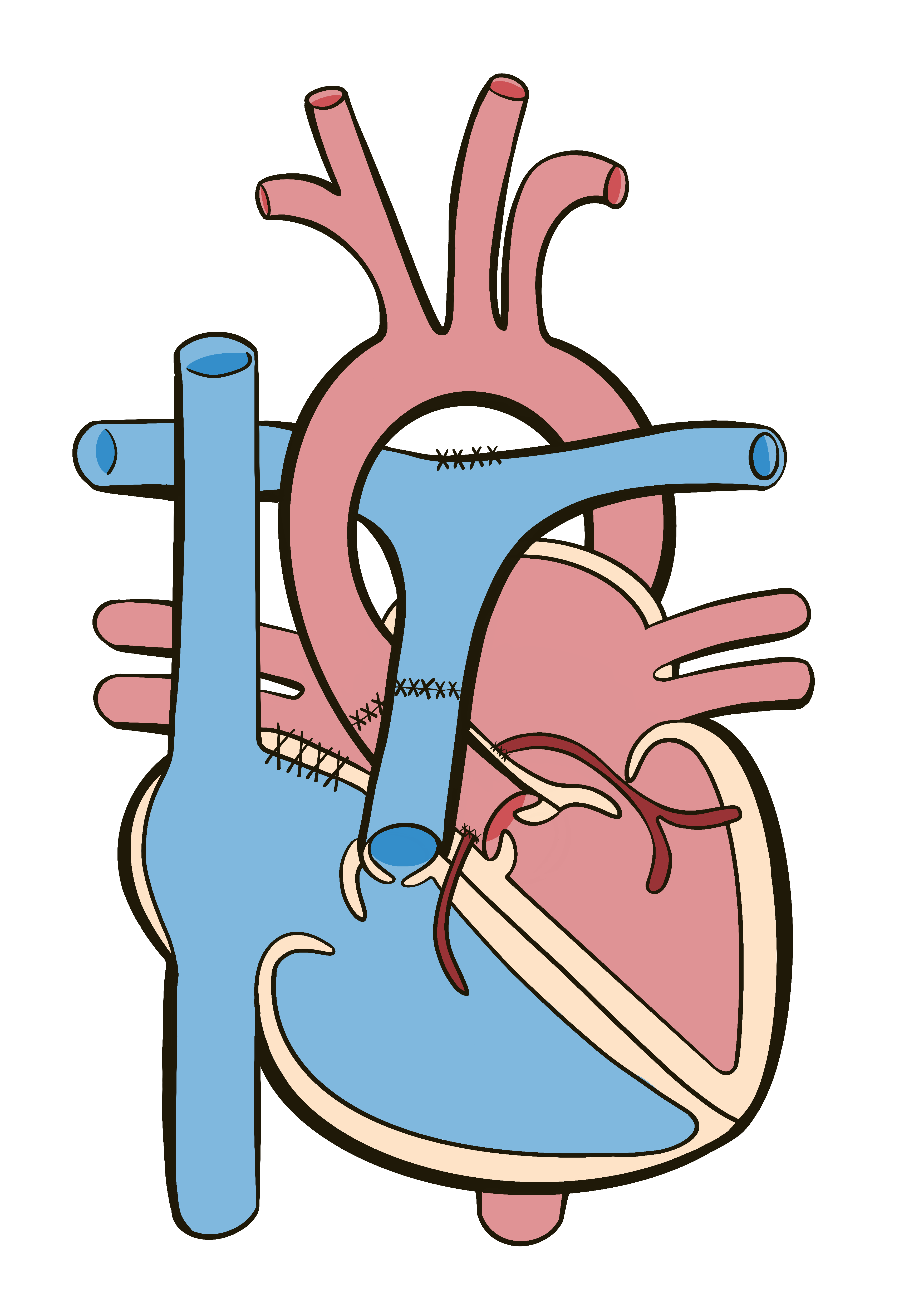
The arterial switch operation repairs transposition of the great arteries by moving the main arteries and the small arteries that supply the heart muscle.
Also known as: TGA, transposition of the great arteries, arterial switch operation
Normal heart
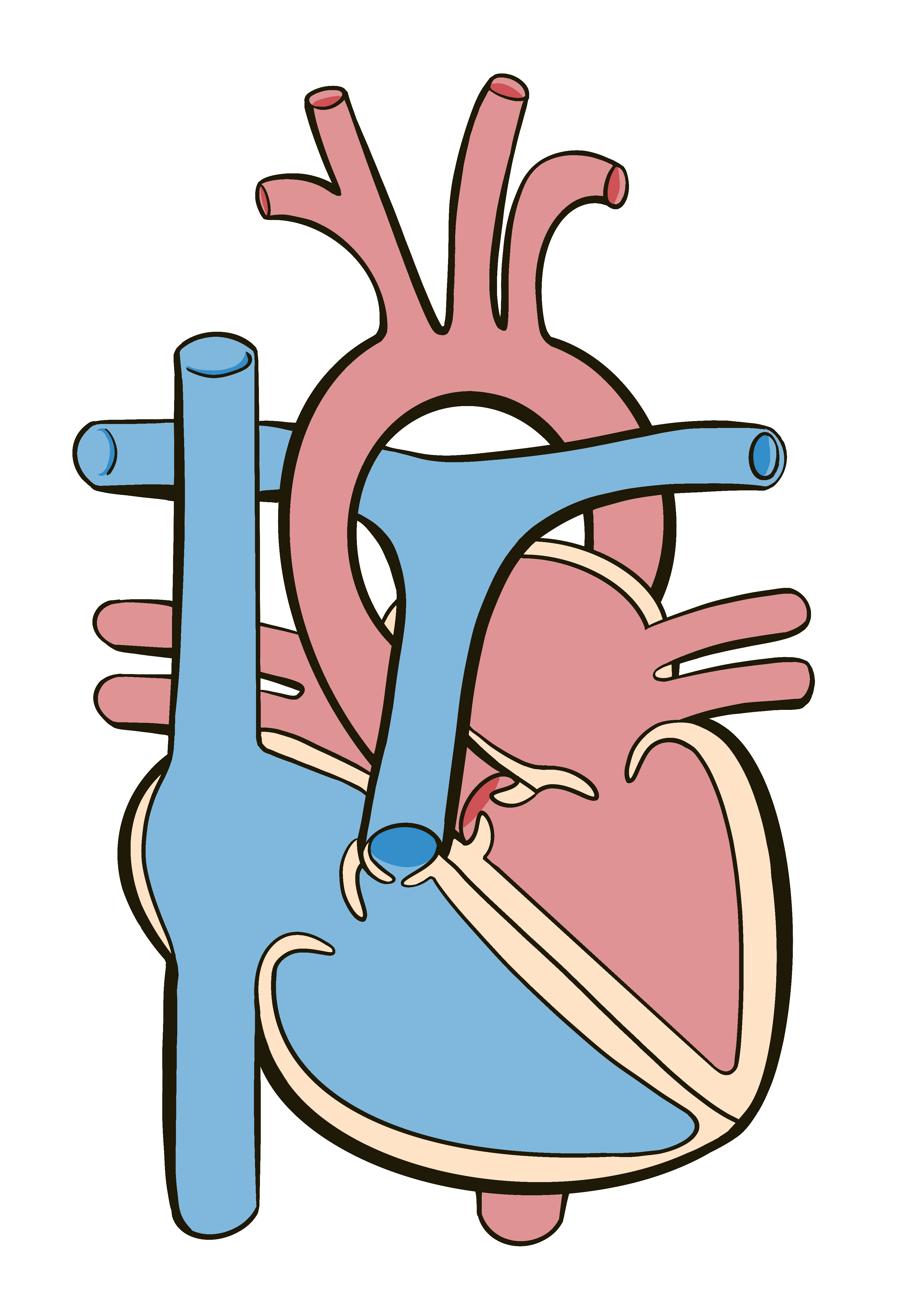

Before repair
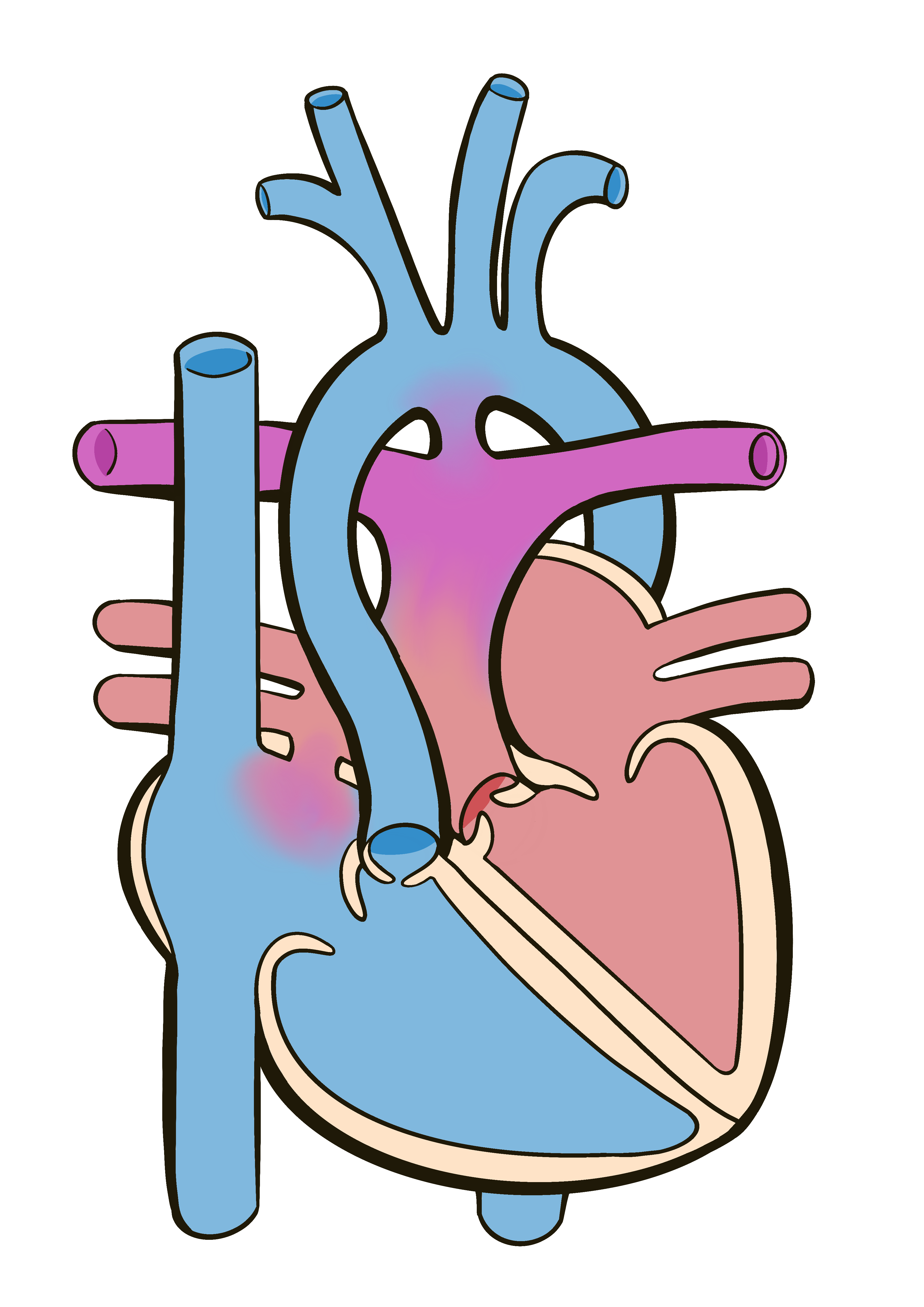

Transposition after arterial switch repair

What this means in adulthood
The arterial switch repairs transposition by moving the main arteries and the coronary arteries, which supply the heart muscle. It restores normal oxygen levels and leaves the left ventricle pumping to the aorta and body, as in a normal circulation. This differs from the Mustard and Senning operations, after which the right ventricle pumps to the body.
The long-term outlook is expected to be good for most people, but long-term follow-up, probably for life, watches for narrowed pulmonary or coronary arteries, a leaking aortic valve and enlargement of the first part of the aorta.
Background and history
Dr Adib Jatene, a Brazilian surgeon, first performed a successful arterial switch in 1975. Moving the coronary arteries was a major technical challenge because they are only 1–2 mm wide in newborn babies. Once this technique was developed, the arterial switch gradually became the standard repair. New Zealand surgeons began performing it in the late 1980s; around 20–25 babies a year have this operation.
The oldest New Zealand adults who have had an arterial switch are in their early 30s, and most are in their 20s.
What your team monitors
Narrowing of the arteries to the lungs
Pulmonary artery stenosis is narrowing of one or both arteries carrying blood from the heart to the lungs. Severe narrowing can reduce blood flow to one lung. The heart may also need to generate more pressure to push blood through, increasing its workload.
Can I prevent this narrowing?
You cannot prevent narrowing caused by the original operation.
When and how is narrowing treated?
It is usually found in childhood and, in most cases, treated before adulthood.
If the narrowing is severe enough, a catheter procedure or surgery can open it.
Why the lung arteries can narrow
The pulmonary arteries are moved forwards during the arterial switch. Stretching in their new position can cause narrowing.
A leaking aortic valve
Aortic regurgitation means blood leaks back through the valve controlling blood flow to the body. The returning blood makes the left ventricle work harder. A severe leak can enlarge and weaken this main pumping chamber.
What symptoms should I tell my team about?
Contact your heart team if you become more breathless or less able to exercise.
How is the leaking valve treated?
If a severe leak progressively enlarges the left ventricle, valve repair or replacement may be recommended. Medicines are sometimes used to delay surgery.
Can I prevent the leak?
You cannot usually prevent this problem, but keeping blood pressure normal matters.
Why the aortic valve can leak
The valve may be abnormal in transposition. The first part of the aorta can also enlarge over time, stretching the valve and making it leaky.
Narrowing of the arteries to the heart muscle
Coronary artery stenosis is narrowing of the small vessels supplying the heart muscle. A narrowed artery may not deliver enough blood; severe narrowing can damage the muscle in the same way as a heart attack.
Can I reduce further damage to the arteries?
The original tendency to narrowing comes from the surgery. To limit additional damage, do not smoke, stay active and keep your blood pressure and cholesterol under control.
How is severe coronary narrowing treated?
Severe narrowing may need an operation to open or bypass the narrowed section.
Why the coronary arteries can narrow
The coronary arteries are reimplanted during the arterial switch. As the heart grows, they can become kinked or stretched and narrow.
Why follow-up matters
Follow-up checks the valves, aorta and blood vessels. Keeping active, not smoking and keeping blood pressure and cholesterol under control help limit additional damage to the coronary arteries.