Fontan circulation
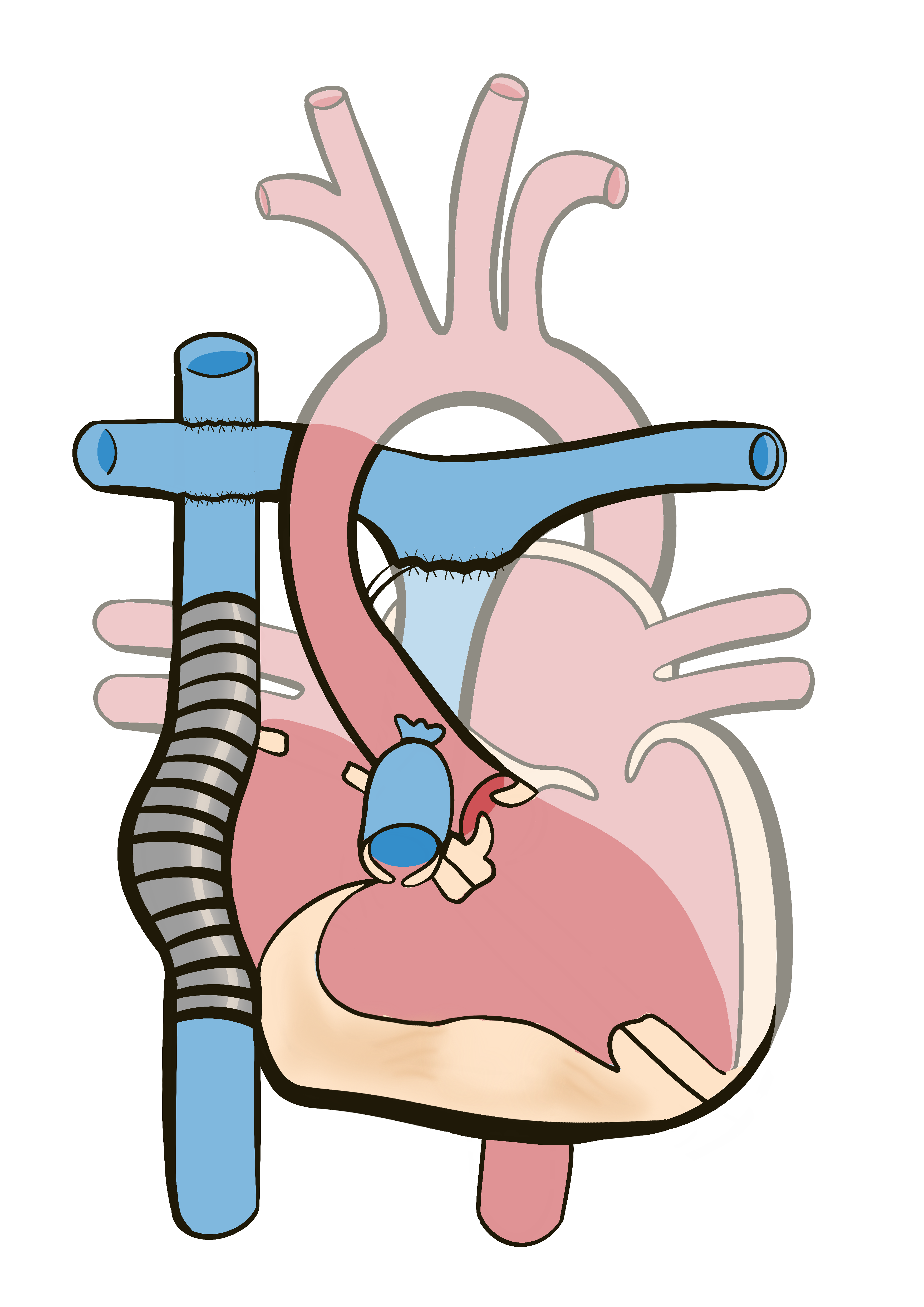
The Fontan operation is used for heart conditions with only one effective pumping chamber.
Also known as: Fontan operation, single-ventricle heart, tricuspid atresia, double-inlet left ventricle, hypoplastic left heart syndrome, pulmonary atresia
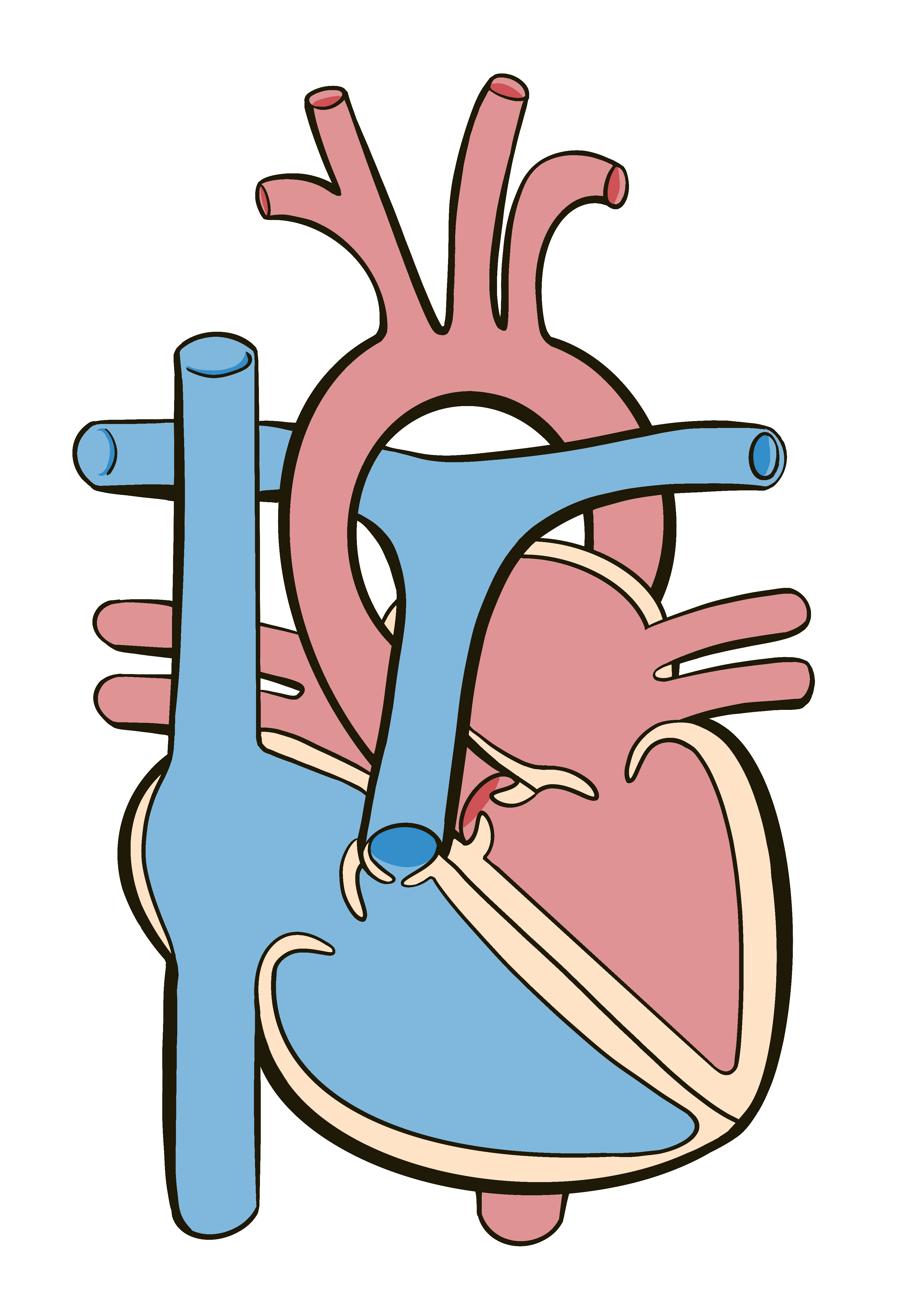
Normal heart

Fontan circulation

What this means in adulthood
The Fontan operation offers a long-term circulation for people born with only one effective pumping chamber. First used for tricuspid atresia, it is now used for conditions including double-inlet left ventricle, hypoplastic left heart syndrome and pulmonary atresia. It does not cure these major heart conditions or make the circulation normal. Frequent, careful follow-up monitors the heart and other organs, especially the liver.
Background and history
The French surgeon Professor Francis Fontan first described the operation in 1971. Before this there was no definitive surgical circulation for children with a single-ventricle heart. These conditions affect about 4–8 babies in 10,000; around 40–70 Fontan operations are performed each year across Australia and New Zealand.
The Fontan is the only definitive operation available for children with a single-ventricle heart and is one of the most innovative operations in children’s heart surgery.
What your team monitors
Abnormal heart rhythms and blood clots
Atrial arrhythmias are fast rhythms that start in the upper heart chambers. In people with a Fontan, the rhythm is often atrial flutter. The fast rate makes the heart pump less efficiently, and blood clots may form in the atrium. It can make you seriously ill very quickly and can be life-threatening.
What should I do about a fast rhythm?
Get to hospital quickly so treatment can be given promptly if needed.
How is the rhythm treated?
Normal rhythm can usually be restored with medicines or DC cardioversion, an electrical shock that returns the heart to its normal rhythm.
Medicines may reduce the chance of another episode; a catheter procedure or further surgery may also be recommended.
Which medicines can reduce blood clots?
To reduce the risk of clots, your team may recommend a medicine that reduces blood clotting. Aspirin, warfarin and dabigatran are commonly used in New Zealand.
Can I prevent these rhythms?
You cannot usually prevent these rhythms, although alcohol, caffeine, stress or tiredness trigger them for some people.
Why rhythms develop after a Fontan
Arrhythmias are particularly common after an atrio-pulmonary Fontan, the original version of the operation. The right atrium can gradually enlarge, and scars from surgery can create pathways for an abnormal rhythm.
Liver changes
Liver problems range from fibrosis (scarring) to cirrhosis and, in a small number of people, hepatocellular carcinoma (liver cancer). The liver is important to many body functions, so damage can have major effects. Liver cancer can be fatal if it is not found early.
Which liver checks will I need?
Attend the liver monitoring tests your team recommends. These usually include regular blood tests and ultrasound, and sometimes other scans such as MRI. Finding changes early helps your team plan treatment.
Can I reduce liver damage?
Excess alcohol can add to liver damage, so take care with your intake.
How are liver problems treated?
Sometimes improving blood flow through the Fontan can reduce some of this pressure. If cirrhosis develops, your team watches more closely for liver cancer. If cancer is found, they work with cancer specialists to plan treatment. This often involves surgery to remove the tumour and may include chemotherapy.
Why the Fontan affects the liver
Pressure in the main veins is higher than normal in a Fontan circulation. This puts back-pressure on the liver and can gradually damage it.
When the circulation works less well
“Fontan failure” describes several ways the circulation can work less well. These include a weaker pumping chamber, fluid build-up and protein-losing enteropathy, where protein is lost through the gut.
What symptoms and effects can occur?
You may notice reduced exercise tolerance, a reduced appetite, breathlessness or swelling from fluid build-up. Liver or kidney function can also be affected, and the risk of blood clots can increase.
How is the circulation monitored?
Keep your cardiology appointments and attend the recommended tests. They monitor the heart and the wider circulation so changes can be found before they become advanced.
Tests look for causes that can be treated. These may include echo, MRI, blood tests and a heart catheter.
What treatments may help?
Treatment might include steroid medicines for protein-losing enteropathy, surgery for a leaking valve, or a catheter procedure to open a narrowed blood vessel. Sometimes there is no specific treatment available, and some people eventually need consideration for a heart transplant.
What can I do to look after my circulation?
Regular activity is beneficial: aim to be active at least three or four days a week. Avoiding smoking and becoming overweight is particularly important.
What can make the Fontan circulation work less well
Several problems often contribute together. The pumping chamber may weaken or valves may become leaky. Increasing resistance in the lung blood vessels makes it harder for blood to pass through the Fontan and lungs. Fast or slow rhythms can contribute. Protein-losing enteropathy can be both a cause and an effect of Fontan failure.
Why follow-up matters
Keep regular cardiology appointments and attend the recommended heart and liver tests. Staying active, avoiding smoking and maintaining a healthy weight support your general health. Excess alcohol can add liver damage.