Ebstein’s anomaly
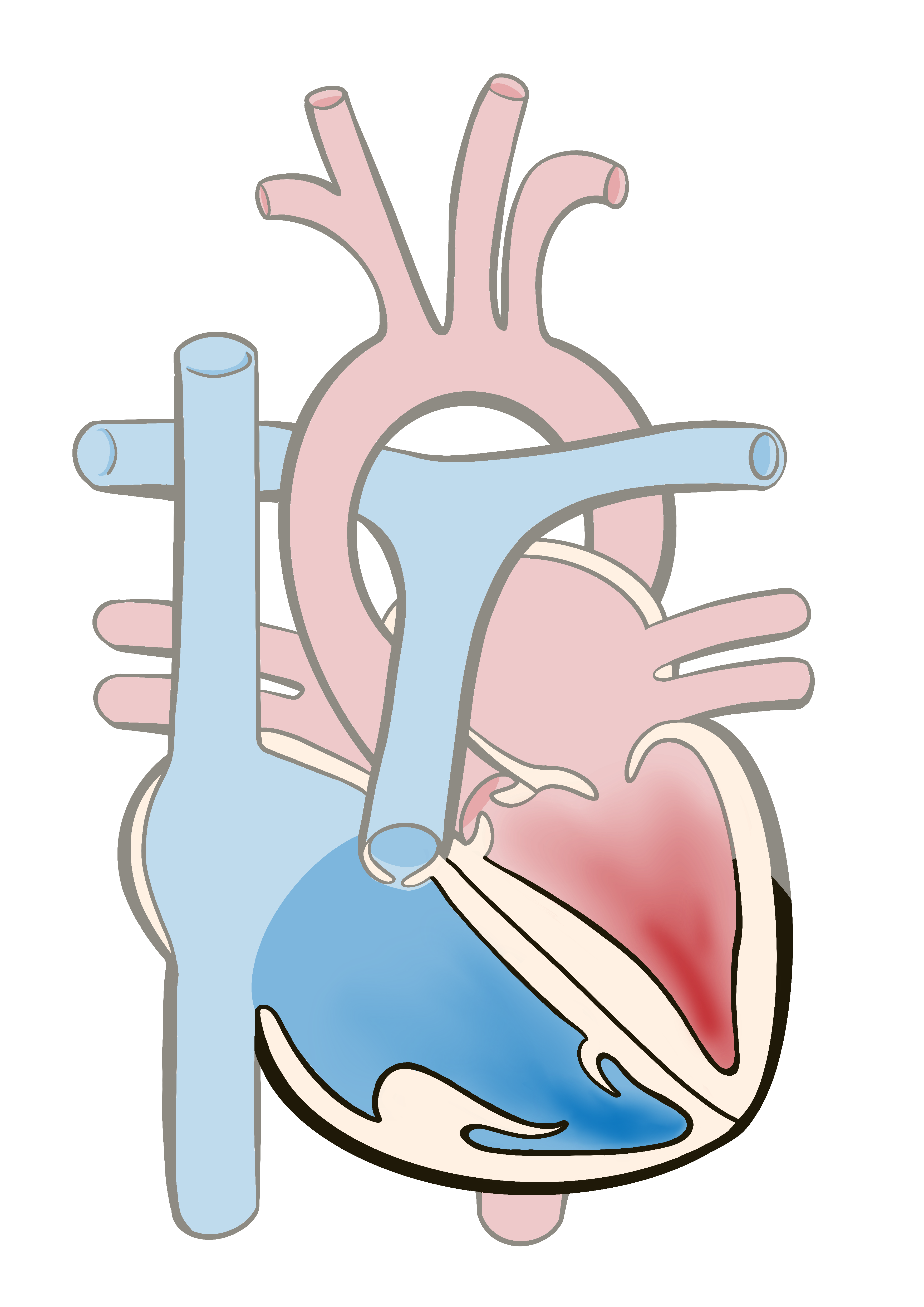
Ebstein’s anomaly affects the development and position of the tricuspid valve, between the upper and lower chambers on the right side of the heart.
Also known as: Ebstein's anomaly, SVT, Wolff-Parkinson-White syndrome
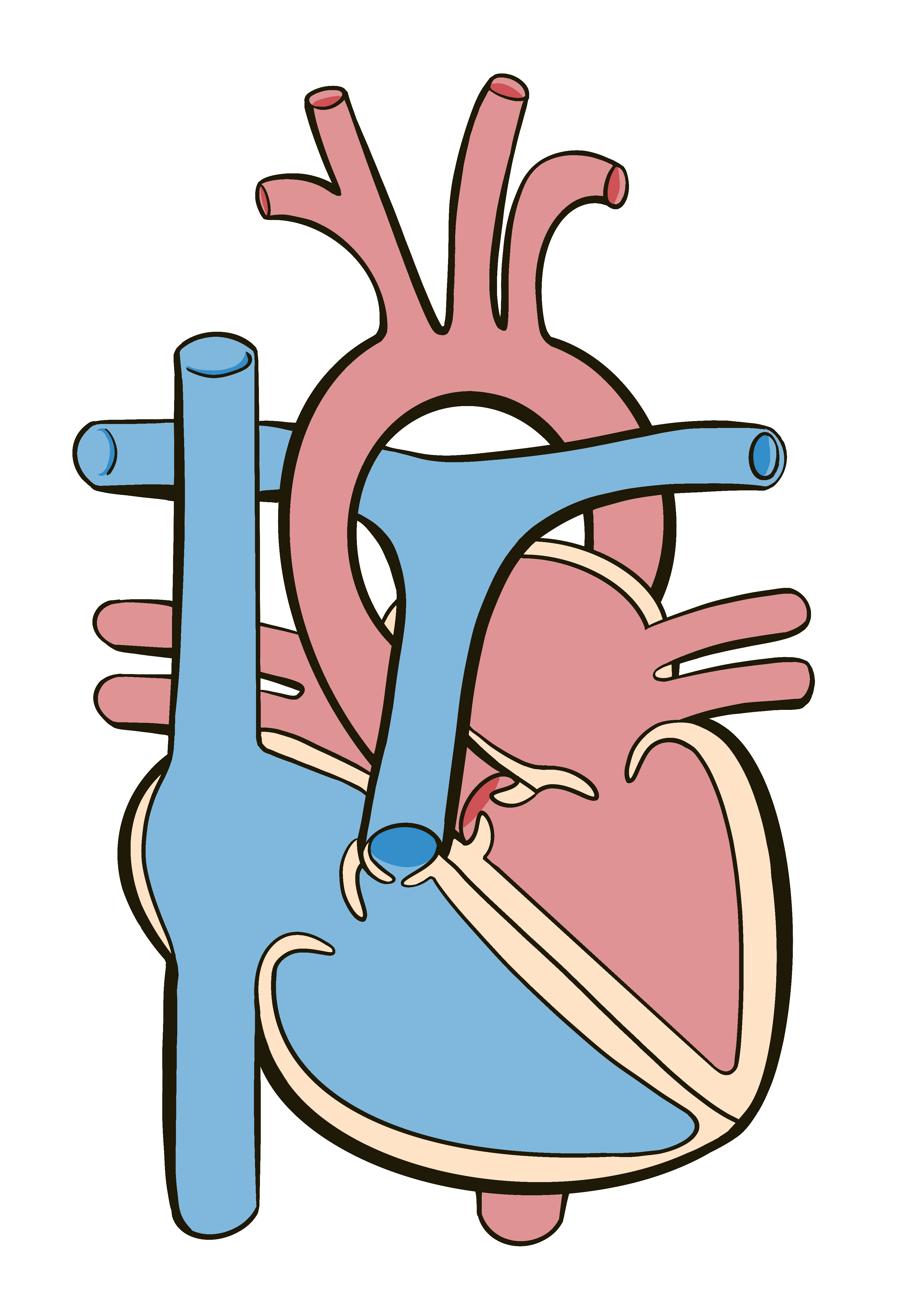
Normal heart

Ebstein’s anomaly

What this means in adulthood
Ebstein’s anomaly affects the development of the tricuspid valve, between the upper and lower chambers on the right side of the heart. Severity varies greatly: a mild abnormality may never need surgery, while a severe one may need surgery in early childhood. Heart rhythm problems and an atrial septal defect can also occur. Even after valve surgery, the heart is not completely normal and lifelong cardiology follow-up is needed.
Background and history
Ebstein’s anomaly affects about 1 baby in 14,000, approximately 4 babies a year in New Zealand. It was described in 1866 by Dr Wilhelm Ebstein, a Polish-German physician.
What your team monitors
A leaking tricuspid valve
Tricuspid regurgitation means blood leaks backwards through the valve between the right atrium and right ventricle. Normally it opens to let blood into the ventricle, then closes while blood is pumped to the lungs. A leak makes forward flow less efficient and gives the right ventricle extra work. It can enlarge and, if very stretched, become weak and permanently damaged.
What can I do to help my heart?
Stay active, avoid excess weight, do not smoke and avoid excess alcohol.
When should I contact my team?
Attend your appointments and tell your team about new symptoms so changes can be found before they become severe.
When might valve surgery be needed?
If a severe leak is causing problems with the right ventricle, your team may recommend an operation to repair or replace the valve.
Why the tricuspid valve leaks
The three valve leaflets form abnormally and sit in the wrong position. The septal leaflet is often most affected. The leaflets may not meet tightly when the valve closes.
Fast heart rhythms
Supraventricular tachycardia (SVT) is a fast abnormal rhythm starting in the upper parts of the heart. It can cause weakness or dizziness. A prolonged fast rhythm can weaken the heart muscle, even if it causes few problems at first.
What if my rhythm changes?
Get checked straight away if your rhythm changes. Medicines can restore normal rhythm if it does not settle by itself.
What treatment can stop or prevent SVT?
Rhythm medicines may be given intravenously for a prolonged episode. Oral medicines can help prevent recurrence. Persistent problems may need catheter ablation, a specialised catheter procedure to treat the area causing the rhythm.
Can I prevent these rhythms?
You cannot usually prevent it, although excess alcohol or caffeine can trigger rhythms for some people.
Wolff–Parkinson–White syndrome and SVT
Ebstein’s anomaly is often associated with Wolff–Parkinson–White syndrome, an extra electrical connection between the upper and lower chambers. This can create a short circuit and a very fast heartbeat.
A hole between the upper chambers
An atrial septal defect (ASD) is a hole between the atria, the upper heart chambers. It is common alongside Ebstein’s anomaly. Blood with low oxygen can cross from the right atrium to the left, lowering oxygen levels in blood going to the body.
What changes should I tell my team about?
The amount of blood crossing it can change with time. Tell your team if you become more fatigued or someone notices your lips looking blue.
Can the hole be closed?
Closure needs careful consideration because each person’s situation is different. When suitable, it is usually done through a heart catheter, although some people need an operation.
Can I prevent this defect?
You cannot prevent this associated defect.
Why follow-up matters
Lifelong cardiology follow-up is needed, including after valve surgery. Appointments help the team detect changes in the valve, right ventricle and heart rhythm.