Coarctation of the aorta
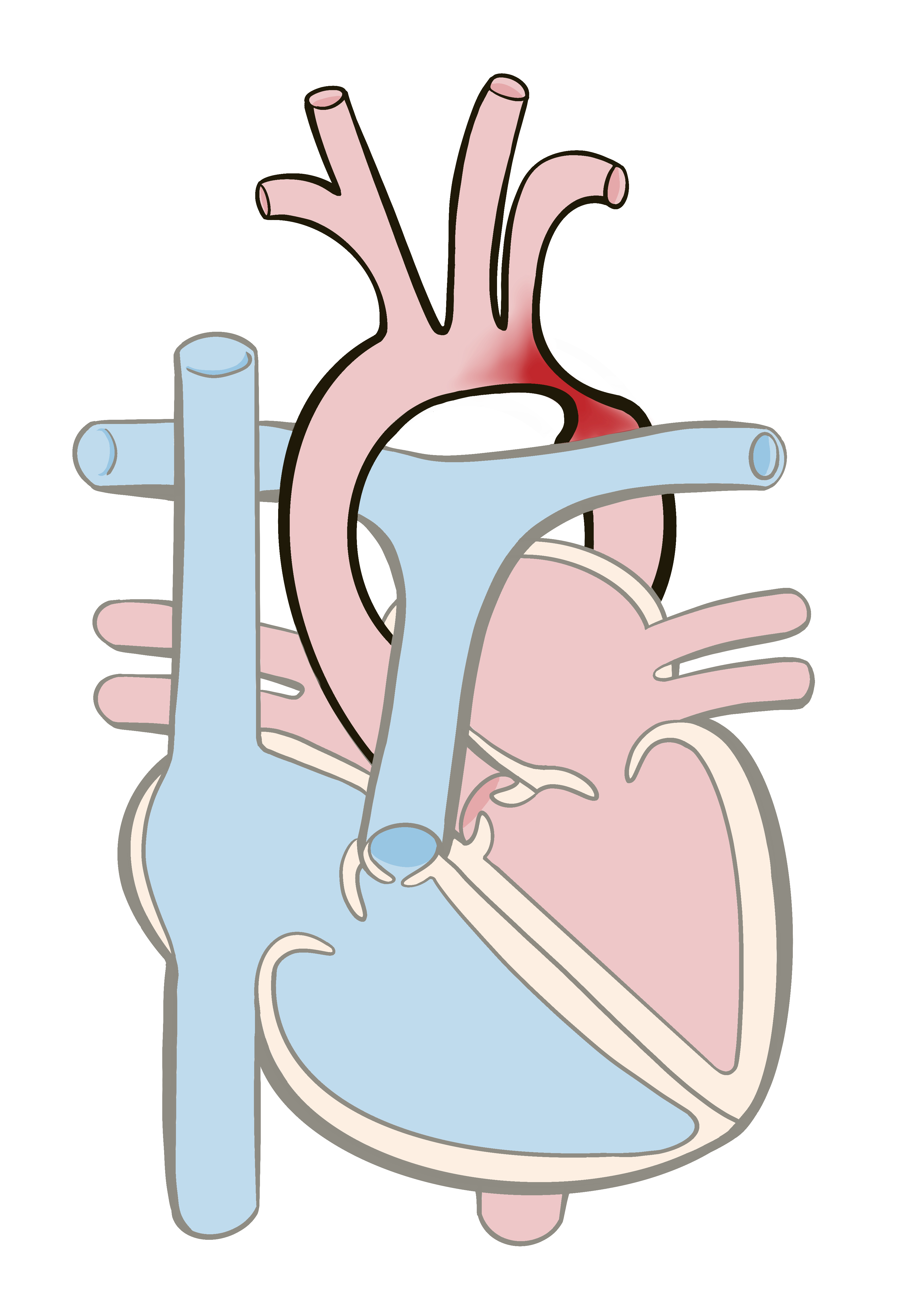
Coarctation is a narrowing of the aorta, the main artery carrying blood from the heart to the body.
Also known as: coarctation
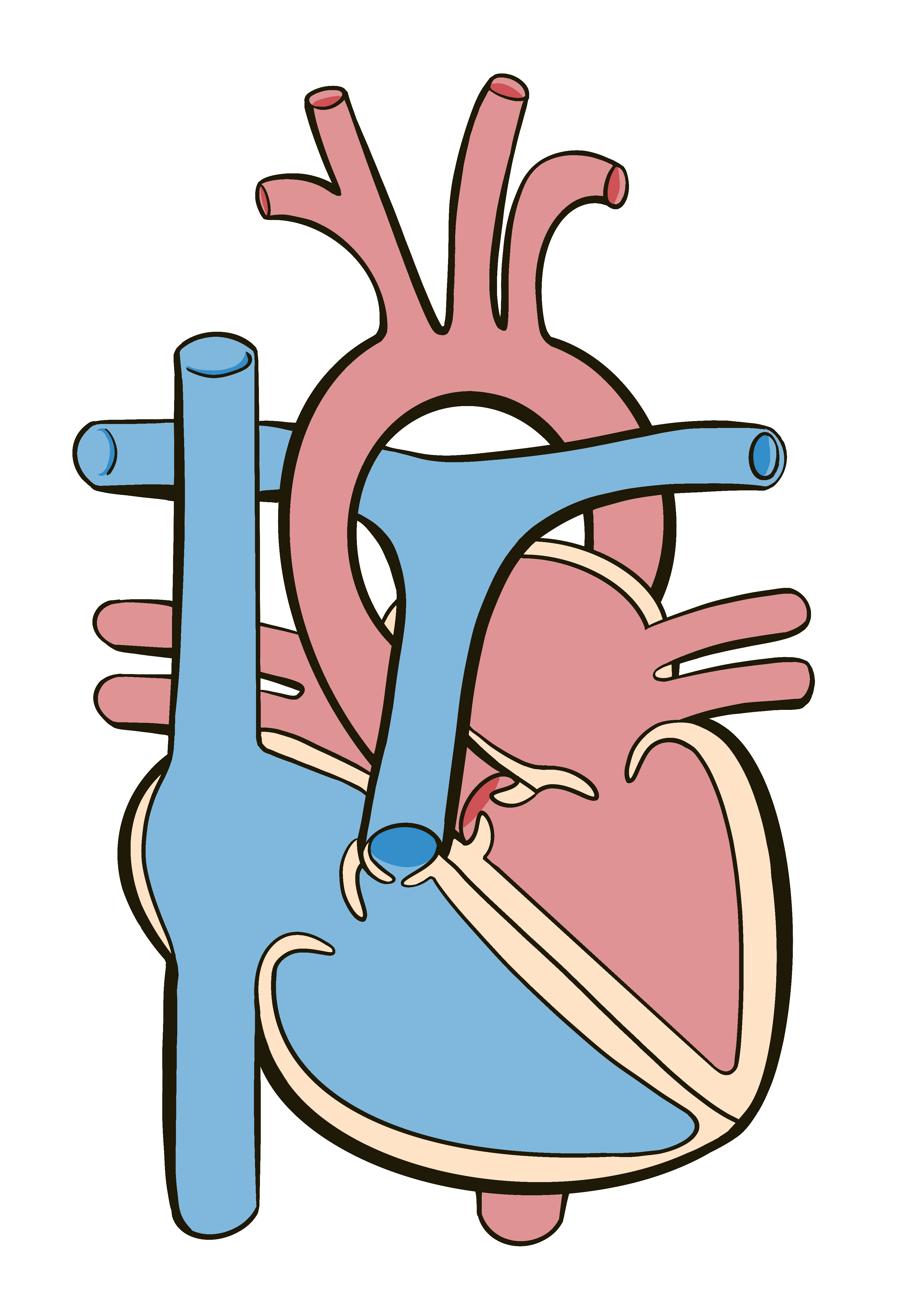
Normal heart

Coarctation of the aorta

What this means in adulthood
Coarctation is narrowing of the aorta, the main artery supplying the body. Its severity varies: some babies need life-saving surgery in their first few days, while other people are not diagnosed until adulthood. Treatment can involve surgery or a stent inserted through a cardiac catheter. Even after a successful repair, the blood vessels do not work completely normally and lifelong follow-up is needed.
Background and history
Coarctation accounts for about 6–8% of congenital heart disease, around 20–25 babies a year in New Zealand. It was among the first congenital heart conditions successfully treated with surgery. Dr Clarence Crafoord in Sweden and Dr Robert Gross in the USA performed early repairs in 1944 and 1945.
What your team monitors
Narrowing again at the repair
Recurrent coarctation is narrowing of the aorta at the original repair. It usually raises blood pressure and makes the heart pump harder to move blood past it. Both can cause serious long-term problems.
Can I prevent it, and what should I check?
You cannot usually prevent recurrence. Have your blood pressure checked regularly, because a rise is often its first sign.
How is recurrent narrowing treated?
A catheter procedure can often place a stent, a wire-mesh tube, to hold the artery open. Some people need another operation.
Why narrowing can return
Scar tissue at the repair can narrow the aorta. Sometimes the repaired area, or the area beside it, does not grow enough.
High blood pressure
Hypertension means blood pressure is higher than normal for your age. You may feel well, but it increases the longer-term risk of heart attack, stroke and weakness of the heart muscle.
What can I do to help my blood pressure?
Regular activity, avoiding excess weight, eating a healthy diet, limiting salt and avoiding excess alcohol can help your blood pressure.
What tests and treatment might I need?
Your team usually checks for recurrence with echo or MRI. If the repair looks satisfactory, lifestyle changes, blood-pressure medicines or both may be recommended.
Why blood pressure can stay high after repair
High blood pressure can indicate recurrent narrowing, but is also common when the repair is open. The blood vessels do not function completely normally after coarctation repair, which is thought to increase the tendency to hypertension.
Bicuspid aortic valve and the aorta
A bicuspid aortic valve has two parts (cusps) rather than the usual three controlling blood flow out of the heart. About 50–75% of people with coarctation are also born with one. It can become leaky (aortic regurgitation) or stiff and narrowed (aortic stenosis). Either can affect heart function and make you unwell. The first part of the aorta may also enlarge, which can be dangerous if severe.
Can I prevent this, and how is it monitored?
It is present from birth and cannot be prevented. Your doctor will arrange monitoring for a leak or narrowing.
When might valve or aortic surgery be needed?
A severely leaking or narrowed valve may need replacement. Severe enlargement of the aorta can also require surgery.
Why follow-up matters
Lifelong follow-up checks blood pressure, the repair, the aortic valve and the aorta. High blood pressure may be an early sign of renewed narrowing, even when you feel well.