Atrial septal defect
An atrial septal defect is a hole between the two upper chambers of the heart, called the atria. It may first be found in adulthood.
Also known as: ASD, secundum ASD
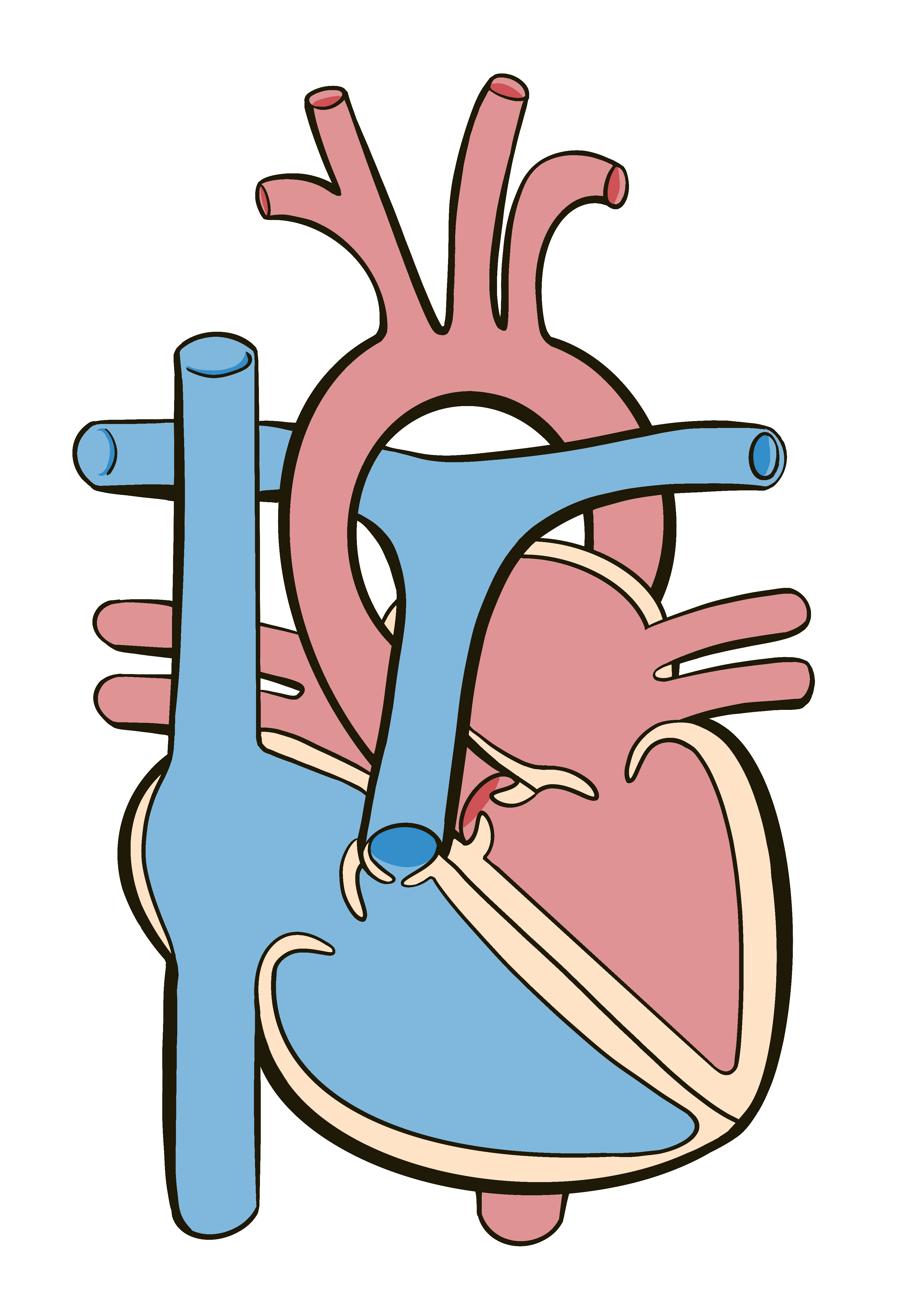
Normal heart

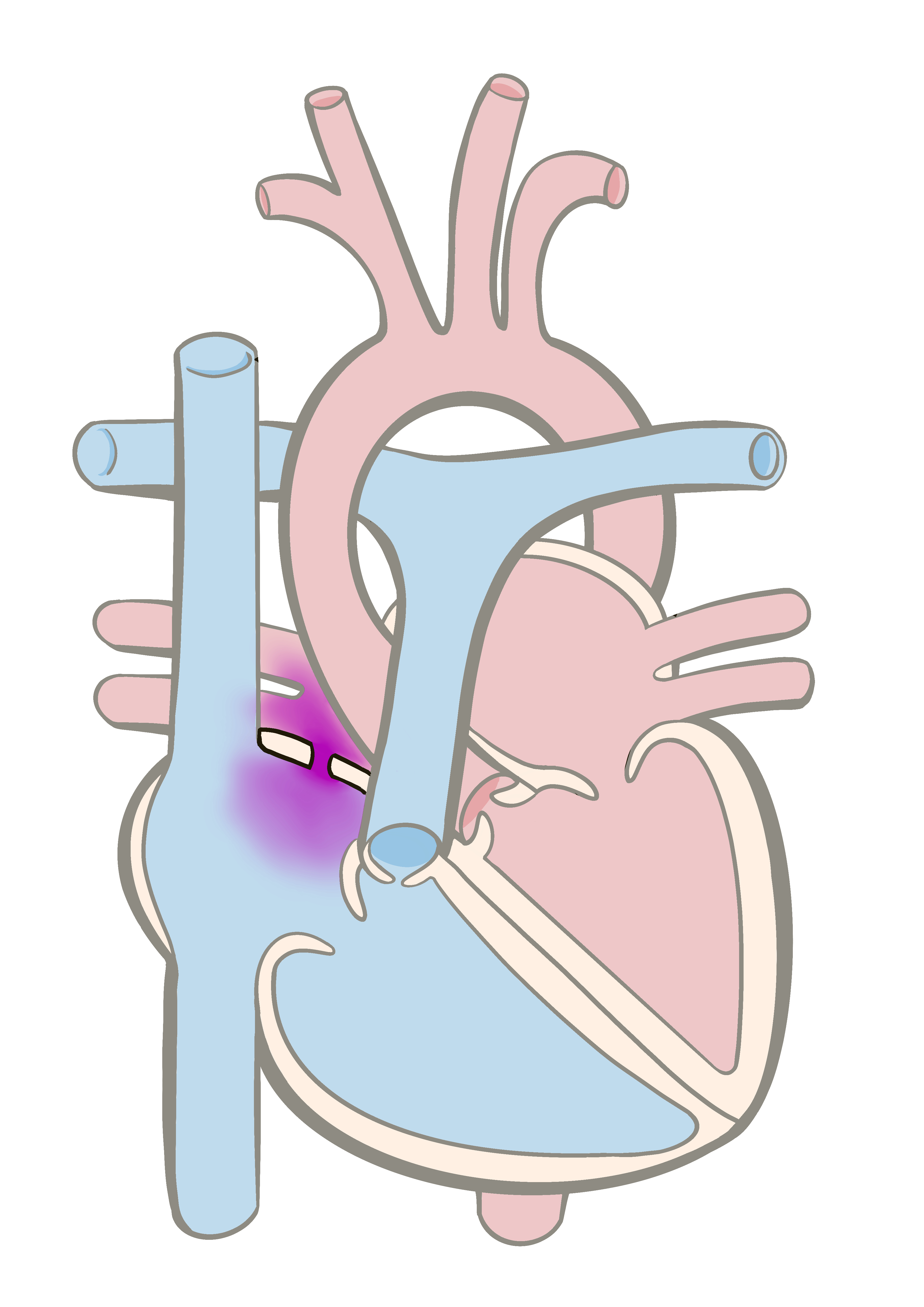
Atrial septal defect

What this means in adulthood
An atrial septal defect (ASD) is a hole between the atria, the upper heart chambers. We are all born with an opening between these chambers, which normally closes during the first few months of life. When this normal closure does not happen, the result is called a secundum ASD, the most common type.
ASDs often cause no problems in childhood and may first be found in adulthood. Secundum ASDs can be closed with surgery or a heart catheter procedure. This page explains the problems an ASD can cause in adult life and why your team may recommend closure.
Background and history
Until the late 1980s, almost all ASDs were closed surgically. Many can now be closed with a heart catheter procedure.
What your team monitors
Enlargement of the right heart
An ASD usually enlarges the right ventricle, the right pumping chamber, and the right atrium. Extra blood crossing the hole gives these chambers more work. Over many years, the right ventricular muscle can become tired.
Can I prevent this?
The defect has been present since birth and cannot be changed by anything you do.
When might the ASD need closing?
Discuss with your medical team whether it should be closed and which method would suit you.
Enlargement of the right atrium and ventricle usually indicates a need for closure. A heart catheter procedure is usually preferred where possible. Some people need surgery.
Why the right heart enlarges
Blood usually flows across the ASD from left to right, so the right heart handles more blood than usual.
Fast rhythms in the upper chambers
Atrial flutter is a fast abnormal rhythm starting in the atria, the upper heart chambers. A prolonged fast rhythm can weaken the heart. Clots can also form in the atria and travel to the brain, causing a stroke.
What if my heart rhythm changes?
Get checked straight away if your heart rhythm changes. Your team usually aims to restore normal rhythm promptly.
How is atrial flutter treated?
Medicines or cardioversion can restore normal rhythm. Cardioversion is an electrical shock given under a brief general anaesthetic. Rhythm medicines are often used first to prevent recurrence. Catheter ablation, a specialised catheter procedure, can sometimes stop the abnormal rhythm.
Can I prevent atrial flutter?
You cannot usually prevent it, although excess alcohol or caffeine can trigger rhythms for some people.
Why these rhythms develop
An enlarged right atrium can eventually develop atrial flutter or atrial fibrillation, particularly from middle age.
High blood pressure in the lungs
Pulmonary hypertension is high blood pressure in the lung blood vessels. It makes the right ventricle work harder and can gradually weaken it. A minority of people with an ASD develop this complication.
Can I reduce the risk?
It usually cannot be prevented and the reasons some people develop it are not fully understood. Avoid smoking and excess weight, which can increase the risk.
Can medicines or closing the ASD help?
Medicines can improve pulmonary hypertension, but there is no cure at present. Closing the ASD sometimes helps. In severe pulmonary hypertension, closure can make things worse, so the decision needs careful specialist assessment.
Why pressure in the lungs can rise
Extra blood passes through the lungs because of flow across the ASD. In some people, pressure in the lung vessels gradually rises.
Why follow-up matters
Follow-up helps your team assess the size and strength of the right side of your heart and the pressure in your lungs. Discuss whether the hole needs closing and which approach is suitable for you.